

|
Fuel quality management for vessels in extended idle: Arabian Gulf, Gulf of Oman and adjacent anchorages | Rahul Choudhuri, VPS
Managing fuel quality deterioration following the closure of the Strait of Hormuz. |
|
|
|
||

|
Agastya Green Fuels signs 250,000 t/yr e-methanol offtake deal with Sri Lanka’s SAR Group
Indian producer and Sri Lankan maritime firm agree long-term green methanol supply partnership. |
|
|
|
||

|
Bunker Holding seeks risk specialist for Copenhagen internal pricing desk
Danish bunker group is expanding its internal pricing team to meet growing demand for fixed-price solutions. |
|
|
|
||
|
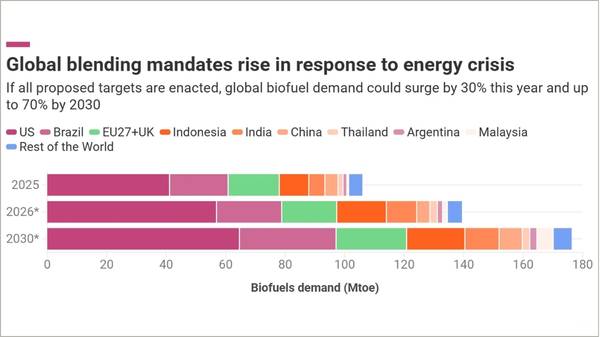
Biofuel demand could surge 70% by 2030 as food price fears mount
T&E warns governments risk trading an oil crisis for a food crisis as biofuel targets strain vegetable oil and fertiliser markets. |
|
|
|
||
|
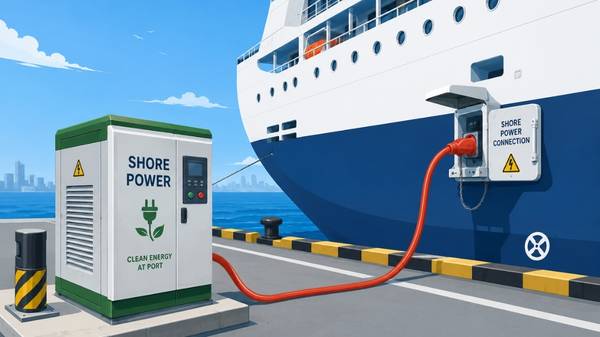
Shore power shifts from voluntary measure to compliance requirement, DNV white paper finds
Shore power is moving from an optional emissions tool to a regulatory obligation for shipowners in key trades. |
|
|
|
||
|
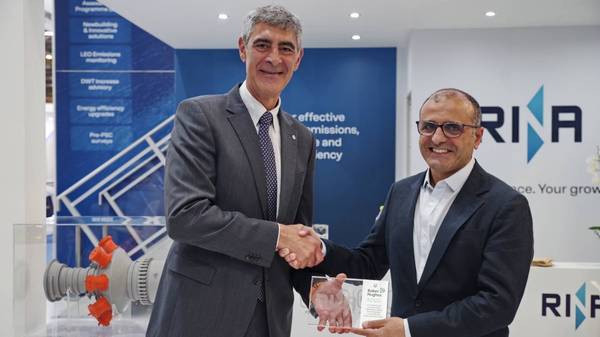
Baker Hughes’ NovaLT 16 gas turbine receives RINA type approval for marine propulsion on hydrogen and natural gas
Certification covers operation on natural gas and blends up to 100% hydrogen for marine use. |
|
|
|
||
|
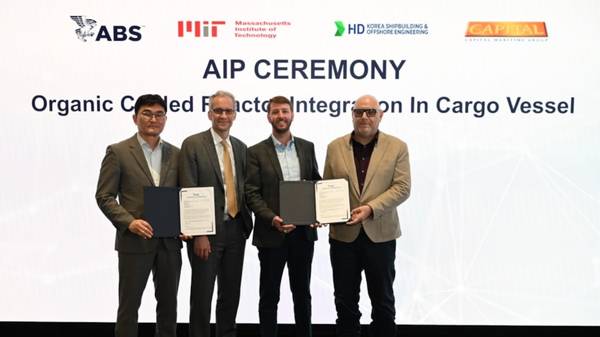
ABS grants approval in principle for nuclear reactor integration in cargo vessel design
ABS, HD KSOE, Capital Maritime Group and MIT have received approval in principle for a nuclear-powered cargo vessel propulsion system. |
|
|
|
||
|
Green e-fuel export corridor between Brazil and Belgium advances to feasibility stage
A consortium has been formed to develop a green e-fuel corridor linking Porto do Açu to Antwerp-Bruges. |
|
|
|
||
|
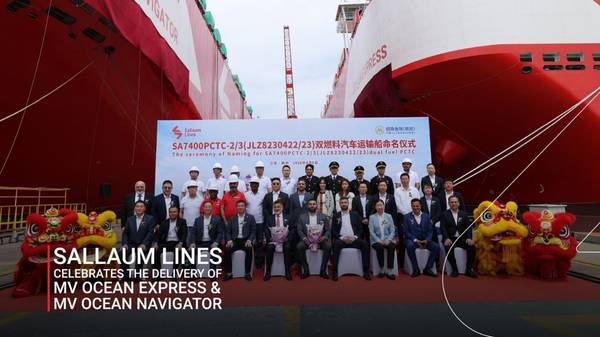
Sallaum Lines takes delivery of two LNG-fuelled PCTCs in simultaneous handover ceremony
RoRo carrier receives MV Ocean Express and MV Ocean Navigator from Chinese shipyard. |
|
|
|
||

|
Agastya Group signs MoU with Andhra Pradesh government for 1 MTPA green methanol hub at Mulapeta Port
India-based Agastya Group plans a $6.5bn green methanol export facility on the country's east coast. |
|
|
|
||
| Ship powered by LNG fuel cells unveiled [News & Insights] |
| Solar ship arrives in California [News & Insights] |
| Solar-propelled cargo ship is launched [News & Insights] |
| MOL: Eco-ships are not 'nebulous' ships of the future [News & Insights] |
| Q2 completion for Panama fuel terminal [News & Insights] |
| 'Next step in the evolution of electric propulsion systems' [News & Insights] |
| MOL signs deal to build LNG-fuelled tugboat [News & Insights] |
| RINA partners with Hanwha Group on battery-hybrid propulsion for ro-ro ferries [News & Insights] |
| Fuel-saving alternatives examined at SMM [News & Insights] |

