
|
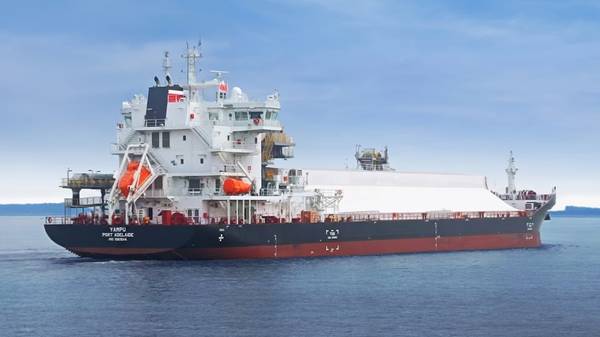
CSL delivers world’s first battery-powered self-unloading bulk carrier
MV Yampu will transport limestone for Adbri in Australia, with full electric operation targeted by 2031. |
|
|
|
||
|
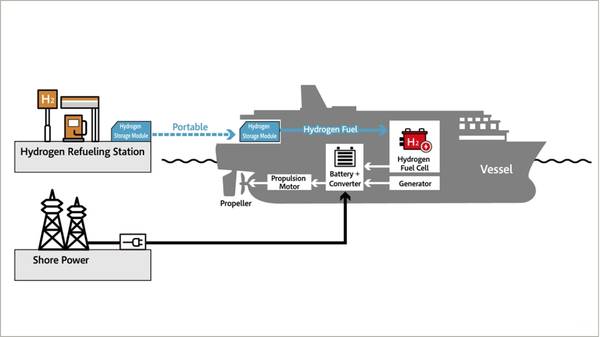
NYK, Yanmar and Eneos to install hydrogen fuel cell system on new Tokyo dining cruise vessel
Three Japanese companies are collaborating to bring hydrogen propulsion to a dining cruise ship due to enter service in 2027. |
|
|
|
||
|
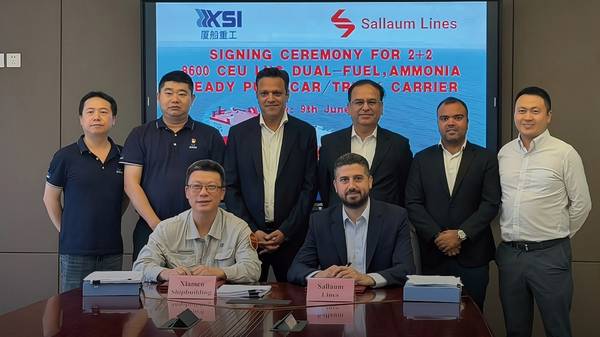
Sallaum Lines orders four 8,600-ceu dual-fuel PCTCs from Chinese yard — its largest vessels to date
Ammonia-ready car carriers ordered from XSI mark the next phase of Sallaum Lines’ fleet renewal. |
|
|
|
||
|
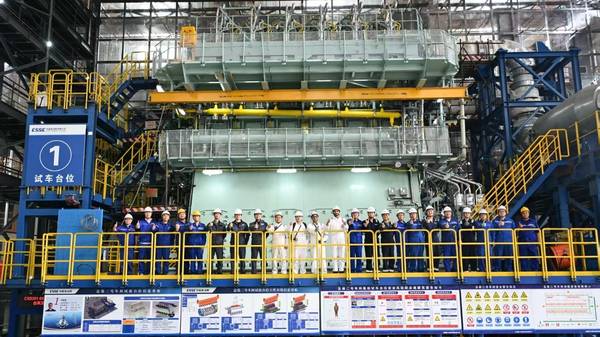
WinGD completes factory acceptance test on X72DF-A ammonia engine destined for CMB.Tech bulker
Swiss engine maker WinGD has completed factory acceptance testing of its ammonia-fuelled X72DF-A engine in China. |
|
|
|
||
|
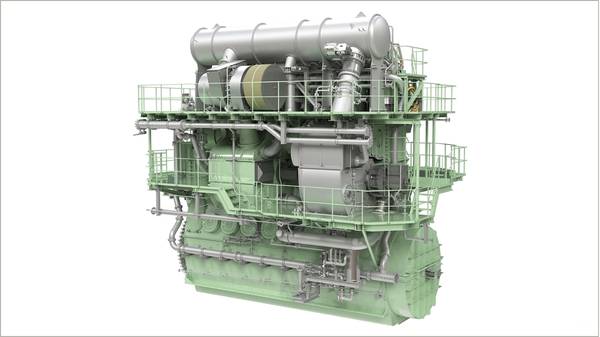
Everllence secures world’s first order for ME-GI Mk10.7 dual-fuel engine
Norwegian car-carrier operator GCC selects next-generation methane engine for four newbuilds. |
|
|
|
||
|
Capital Clean Energy Carriers and CMA CGM form joint venture to build $82.8m LNG bunkering vessel
The 20,000-cbm dual-fuel vessel is due for delivery in the third quarter of 2028. |
|
|
|
||

|
Hong Kong launches port dues and vessel registration incentives to boost green fuel bunkering
Two new schemes offer financial concessions to attract green fuel vessels and grow the Hong Kong fleet. |
|
|
|
||
|
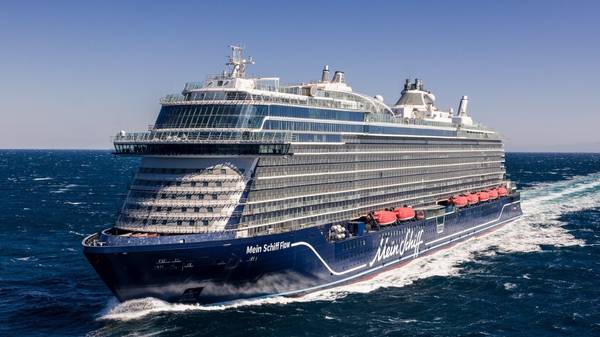
Fincantieri delivers LNG-ready cruise ship Mein Schiff Flow to TUI Cruises
The 160,000 gross-tonne vessel is the second of two InTUItion-class dual-fuel ships. |
|
|
|
||
|
Monjasa seeks trader for Fredericia-based Northwest Europe desk
Bunker firm is recruiting a trader to join its Northwest Europe team. |
|
|
|
||
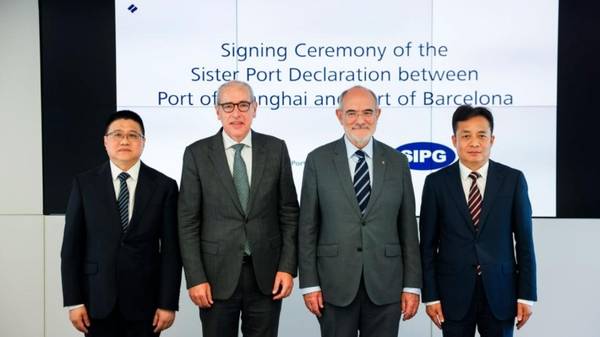
|
Barcelona and Shanghai sign strategic port cooperation agreement targeting green fuels and digital corridors
Ports formalise a 'sister ports' relationship covering green shipping, digitalisation and intermodality. |
|
|
|
||
| Neste Oil in agreement to improve its fuel economy [News & Insights] |
| Scrubber offer to 'save the Baltic Sea' [News & Insights] |
| Wärtsilä launches suite of environmental services [News & Insights] |
| Wärtsilä hails success of new fuel-efficient engines [News & Insights] |
| Royal Caribbean signs deal to improve fuel economy [News & Insights] |
| ClassNK publishes world-first guidelines for membrane-based onboard CO₂ capture systems [News & Insights] |
| Trans-Pacific lines to raise bunker charges [News & Insights] |
| Cepsa launches three marine lubricants [News & Insights] |
| Hamburg aims to promote LNG fuel [News & Insights] |

