This is a legacy page. Please click here to view the latest version.
Fri 5 Feb 2010, 10:20 GMT

New associate member for SEAaT


Fossil fuel-free ship builder joins emissions abatement and trading association as associate member.


SEAaT, the industry association dedicated to shipping emissions abatement and trading, has announced that B9 Shipping, the fossil fuel-free cargo ship builder and part of the B9 Energy Group, has become an associate member of the organisation - joining Wilhelmsen Premier Marine Fuels, a leading Norwegian bunker broking company, the other associate member of the organisation.

"SEAaT has seen increasing interest in associate membership from companies and organisations that are commited to ensuring that the industry develops an economically viable, fair and definitive solution for reducing its emissions. By joining SEAaT, associate members can make certain that their views are represented and heard within the regulatory and legislative bodies responsible for the shipping industry," SEAaT said in a statement.

John Aitken, Secretary General, SEAaT, added: “How we meet our environmental targets will define the future of shipping and effect every facet of the industry. Creating an opportunity for associate members to join SEAaT reflects this. We believe every company and organization should be involved in some capacity in taking responsibility for shaping the industry’s destiny.”

SEAaT has made extensive representations at regulatory and legislative levels to promote the benefits of a ‘cap and trade’ scheme that would work in conjunction with the IMO’s operational and design efficiency proposals. This includes a collaboration with the UK Chamber of Shipping in the development of a discussion paper concerning open and global emissions trading for shipping, which is supported by the Shipping industry associations of Australia, Belgium, Norway and Sweden.

Aitken continued: “Despite the failure of COP 15, the industry must be proactive in developing a strategy for reducing emissions that creates choice and a clear framework within which to work. Emissions trading achieves this. It provides commercial incentives, it provides the foundation for marine technological innovation to flourish, it creates sustainability for the long term, and it guarantees emissions reduction. We know that it has worked for land-based industries, and the trading infrastructure is already in place. All we need is a price for carbon and an emissions reduction target.”


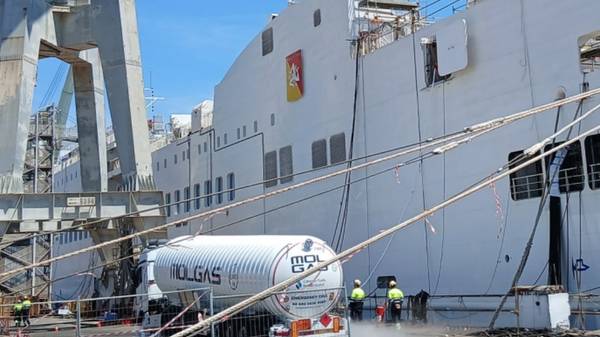
Truck-to-ship (TTS) LNG bunkering at Port of Palermo. Molgas completes first LNG bunkering operation at Palermo  

Spanish energy firm carries out maiden LNG delivery at Sicilian port.

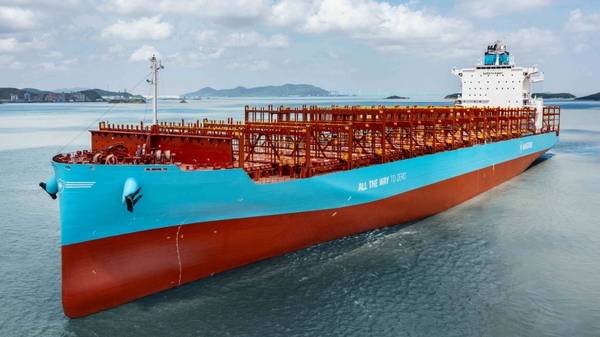
Maersk 5,900-teu vessel. Tsuneishi China delivers third methanol dual-fuel boxship in series  

Zhoushan shipbuilder hands over another 5,900-teu Maersk container vessel.

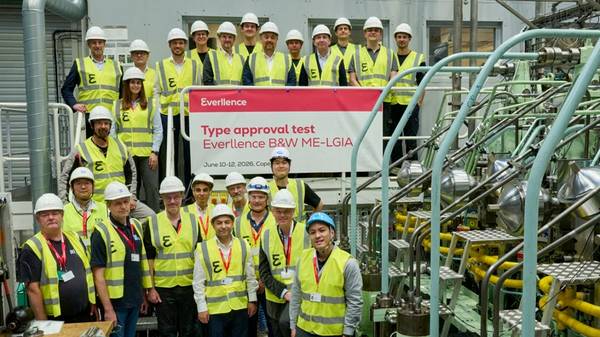
Type approval test (TAT) for ME-LGIA ammonia engine. Everllence completes type approval test for ammonia engine ahead of sea trials  

Eight classification societies oversee testing of ME-LGIA ammonia engine at Copenhagen research centre.

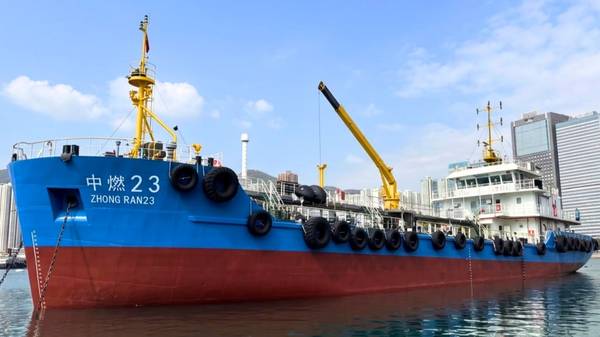
Zhong Ran 23 vessel. CPN bunker barge becomes first vessel listed under Hong Kong’s new quality bunkering scheme  

Zhong Ran 23 achieves listing under the Marine Department’s voluntary mass flow metering initiative.

Peder Moller, Bunker Holding. Bunker Holding posts $73m pre-tax profit amid geopolitical headwinds and board overhaul  

Marine fuels exceeds its own expectations despite 4% revenue decline.

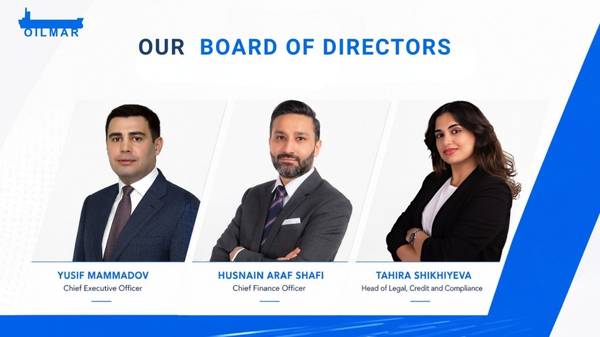
Oilmar Board of Directors graphic. Oilmar formalises governance structure with establishment of board of directors  

Dubai-based marine fuels trader Oilmar appoints three-member board.

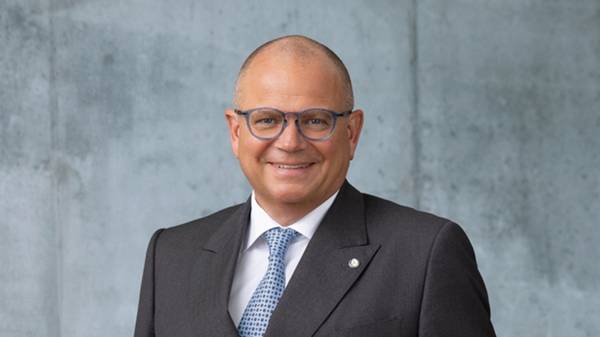
Henrik Andersen, Vestas Wind Systems A/S. Vestas Wind Systems CEO appointed vice chair of Bunker Holding  

Henrik Andersen joins the board of the marine fuels group with more than two decades of international business experience.

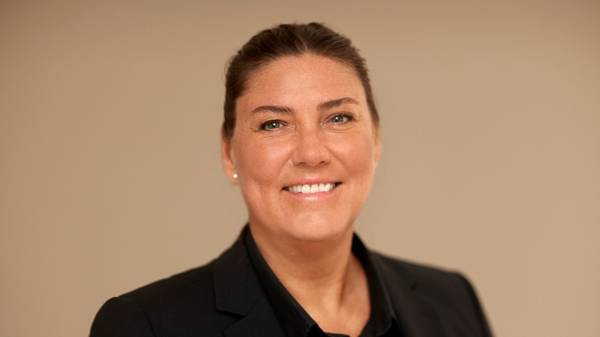
Tina Revsbech, Maersk Tankers. Maersk Tankers CEO Tina Revsbech joins Bunker Holding board  

Danish USTC Group appoints shipping veteran to subsidiary’s board of directors.

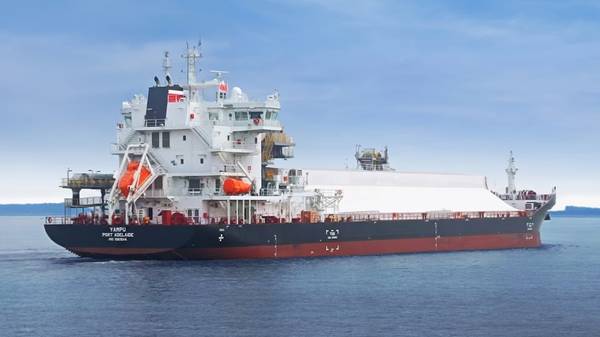
Yampu vessel. CSL delivers world’s first battery-powered self-unloading bulk carrier  

MV Yampu will transport limestone for Adbri in Australia, with full electric operation targeted by 2031.

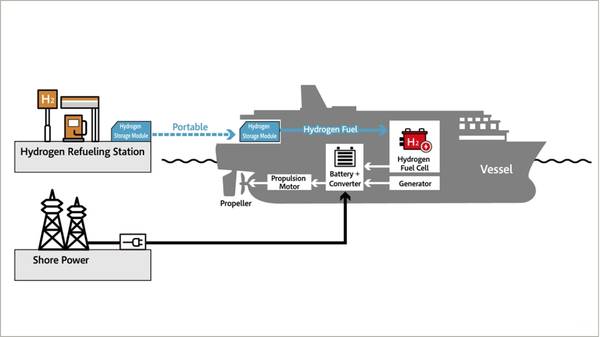
Illustration of hydrogen fuel cell system. NYK, Yanmar and Eneos to install hydrogen fuel cell system on new Tokyo dining cruise vessel  

Three Japanese companies are collaborating to bring hydrogen propulsion to a dining cruise ship due to enter service in 2027.


↑  Back to Top


 Recommended