
|
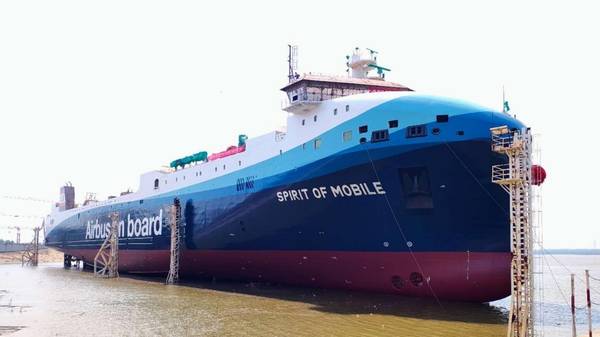
LD Armateurs launches second low-emission ro-ro vessel for Airbus charter fleet
French shipowner LD Armateurs has launched its second methanol-capable, rotor sail-equipped ro-ro vessel at a Chinese shipyard. |
|
|
|
||
|
Verde Marine Energy renews ISCC EU certification and achieves RED III compliance
Dutch bunker supplier Verde Marine Energy says it is now fully compliant with the EU's updated renewable energy rules. |
|
|
|
||
|
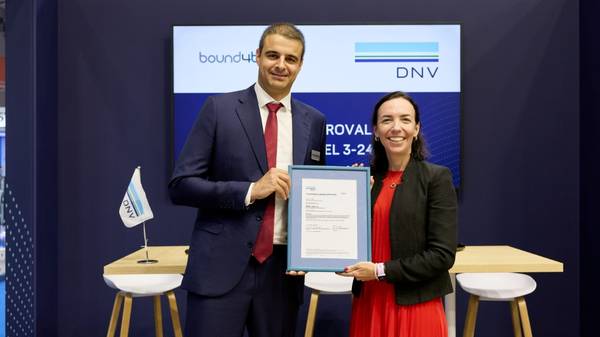
Bound4blue wins DNV type approval for its largest installed eSAIL suction sail
DNV certification of the Model 3-24 eSAIL is said to support wider adoption of wind-assisted propulsion. |
|
|
|
||
|
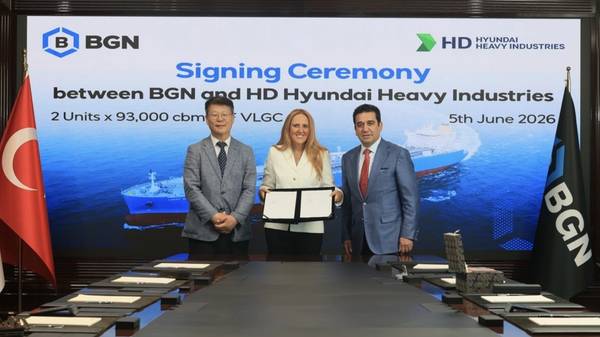
BGN expands owned LPG fleet with two additional VLGCs from HD HHI
BGN signs a new shipbuilding contract, bringing its owned VLGC fleet to 19 vessels. |
|
|
|
||
|
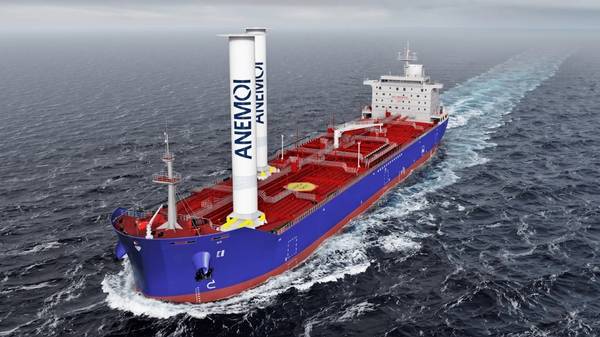
Anemoi and partners win DNV approval in principle for rotor sail integration on MR tankers
DNV issues approval in principle for EX-rated rotor sail design on medium-range product tankers. |
|
|
|
||
|
Lloyd’s Register delivers fleet-wide energy transition roadmap for TMS Tankers
LR Advisory maps vessel-level compliance risk and decarbonisation pathways across the Greek owner’s tanker fleet. |
|
|
|
||

|
GCMD shares biofuel assurance and green finance insights at Hong Kong shipping decarbonisation forum
The Global Centre for Maritime Decarbonisation presented pilot findings on biofuels and energy efficiency financing. |
|
|
|
||
|
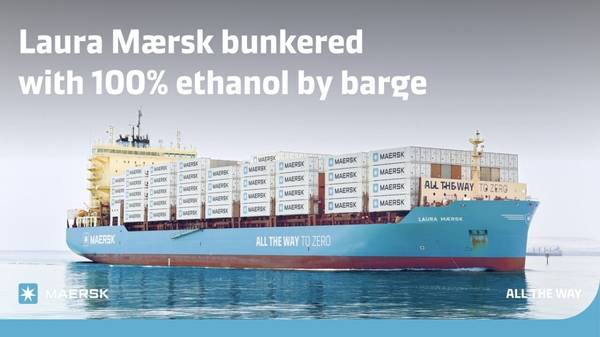
Maersk conducts large-scale ethanol bunkering trial on Laura Maersk in Rotterdam
A.P. Moller – Maersk has conducted a barge-delivered ethanol bunkering operation as part of ongoing fuel trials. |
|
|
|
||
|
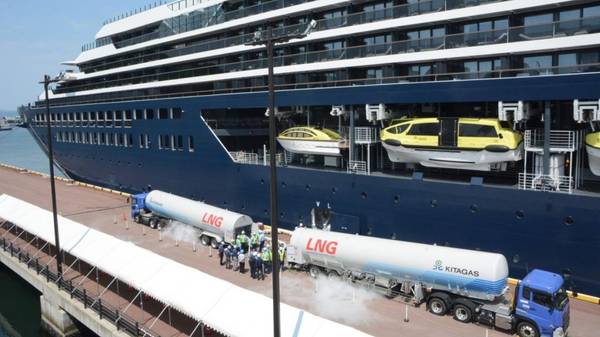
MOL Techno-Trade completes first LNG bunkering for international cruise ship in Hokkaido
Truck-to-ship LNG operation at Hakodate marks first such supply to an international cruise vessel in Hokkaido. |
|
|
|
||
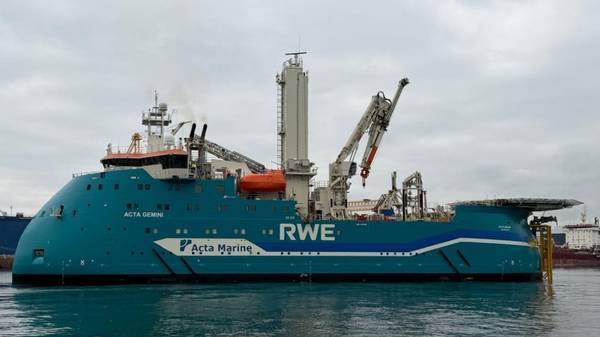
|
Acta Marine takes delivery of methanol dual-fuel CSOV Acta Gemini for RWE wind farm charter
The vessel will support operations at the Sofia Offshore Wind Farm at Dogger Bank. |
|
|
|
||
| IBIA election process gets under way [News & Insights] |
| IBIA issues sulphur content warning [News & Insights] |
| IBIA issues BDR sulphur content warning [News & Insights] |
| European Shipowners calls for ETS revenue investment and fuel supplier mandate [News & Insights] |
| Adams comments on resignation [News & Insights] |
| IBIA welcomes Danish authorities' clampdown on bunker fraud [News & Insights] |
| Package to tackle high bunker prices is adopted [News & Insights] |
| The lowdown on EU MRV regulation as it enters next phase: North P&I [News & Insights] |

