
| Year | OECD Europe | % | OECD Namerica | % | OECD Pacific | % | Global (Marine Fuels) |
| 1971 | 122.1 | 35.4 | 26.67 | 7.7 | 57.55 | 16.7 | 344.5 |
| 1972 | 134.49 | 37.3 | 26 | 7.2 | 55.63 | 15.4 | 360.4 |
| 1973 | 135.05 | 35.5 | 33.34 | 8.8 | 65.12 | 17.1 | 380.8 |
| 1974 | 115.5 | 32.6 | 35.4 | 10.0 | 65.25 | 18.4 | 354.5 |
| 1975 | 112.87 | 34.3 | 36.51 | 11.1 | 70.48 | 21.4 | 328.6 |
| 1976 | 117.96 | 34.8 | 48.24 | 14.2 | 56.46 | 16.7 | 338.7 |
| 1977 | 112.53 | 33.2 | 58.54 | 17.3 | 52.23 | 15.4 | 338.5 |
| 1978 | 113.34 | 33.3 | 71.98 | 21.2 | 47.12 | 13.9 | 340.2 |
| 1979 | 107.76 | 30.7 | 83.89 | 23.9 | 48.64 | 13.8 | 351.4 |
| 1980 | 99.26 | 28.9 | 94.91 | 27.6 | 44.06 | 12.8 | 344 |
| 1981 | 97.17 | 30.6 | 84.59 | 26.6 | 41.19 | 13.0 | 318 |
| 1982 | 93.09 | 32.6 | 68.09 | 23.9 | 29.43 | 10.3 | 285.4 |
| 1983 | 86.18 | 32.4 | 60.86 | 22.9 | 27.41 | 10.3 | 265.9 |
| 1984 | 82.77 | 30.7 | 60.12 | 22.3 | 28.39 | 10.5 | 269.2 |
| 1985 | 89.76 | 30.8 | 57.76 | 19.8 | 28.63 | 9.8 | 291.7 |
| 1986 | 105.39 | 33.9 | 56.42 | 18.2 | 24.53 | 7.9 | 310.6 |
| 1987 | 102.97 | 33.7 | 56.53 | 18.5 | 23.91 | 7.8 | 305.8 |
| 1988 | 104.91 | 32.6 | 60.99 | 19.0 | 23.42 | 7.3 | 321.8 |
| 1989 | 105.42 | 32.8 | 63.93 | 19.9 | 25.23 | 7.8 | 321.5 |
| 1990 | 110.68 | 31.0 | 95.58 | 26.8 | 26.11 | 7.3 | 356.9 |
| 1991 | 109.43 | 29.5 | 100.86 | 27.2 | 29.36 | 7.9 | 370.4 |
| 1992 | 110.81 | 27.9 | 104.92 | 26.4 | 31.87 | 8.0 | 396.9 |
| 1993 | 113.63 | 29.5 | 92.33 | 24.0 | 36.75 | 9.5 | 384.9 |
| 1994 | 109.61 | 28.1 | 90.6 | 23.2 | 38.51 | 9.9 | 389.7 |
| 1995 | 113.27 | 28.2 | 95.57 | 23.8 | 37.04 | 9.2 | 402 |
| 1996 | 120.11 | 29.5 | 90.33 | 22.2 | 33.76 | 8.3 | 406.9 |
| 1997 | 131.1 | 31.1 | 79.1 | 18.8 | 39.31 | 9.3 | 421.8 |
| 1998 | 135.95 | 31.9 | 78.34 | 18.4 | 40.77 | 9.6 | 425.8 |
| 1999 | 130.42 | 28.6 | 89.14 | 19.5 | 41.68 | 9.1 | 456.6 |
| 2000 | 138.53 | 29.7 | 96.39 | 20.7 | 40.86 | 8.8 | 466 |
| 2001 | 141.81 | 32.3 | 68.38 | 15.6 | 37.86 | 8.6 | 439 |
| 2002 | 144.86 | 31.9 | 78.06 | 17.2 | 37.71 | 8.3 | 454.8 |
| 2003 | 146.22 | 31.4 | 64.57 | 13.9 | 41.23 | 8.8 | 466 |
| 2004 | 157.2 | 30.1 | 81.07 | 15.5 | 44.42 | 8.5 | 521.7 |
| 2005 | 164.34 | 29.9 | 86.34 | 15.7 | 56.73 | 10.3 | 549.7 |
| 2006 | 172.53 | 29.7 | 92.57 | 15.9 | 56.09 | 9.7 | 580.6 |
| 2007 | 174.05 | 28.5 | 100.67 | 16.5 | 53.17 | 8.7 | 610.4 |

|
Fuel quality management for vessels in extended idle: Arabian Gulf, Gulf of Oman and adjacent anchorages | Rahul Choudhuri, VPS
Managing fuel quality deterioration following the closure of the Strait of Hormuz. |
|
|
|
||

|
Agastya Green Fuels signs 250,000 t/yr e-methanol offtake deal with Sri Lanka’s SAR Group
Indian producer and Sri Lankan maritime firm agree long-term green methanol supply partnership. |
|
|
|
||

|
Bunker Holding seeks risk specialist for Copenhagen internal pricing desk
Danish bunker group is expanding its internal pricing team to meet growing demand for fixed-price solutions. |
|
|
|
||
|
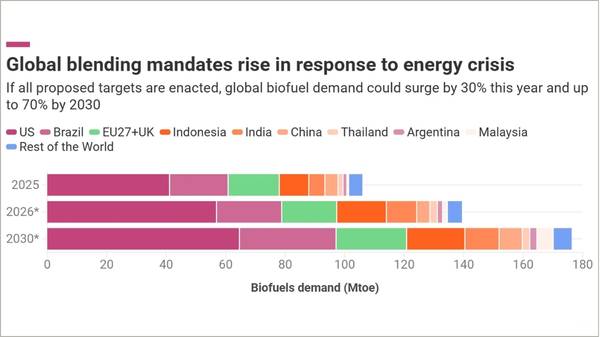
Biofuel demand could surge 70% by 2030 as food price fears mount
T&E warns governments risk trading an oil crisis for a food crisis as biofuel targets strain vegetable oil and fertiliser markets. |
|
|
|
||
|
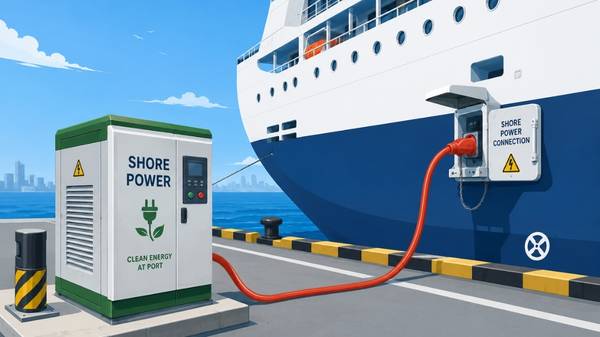
Shore power shifts from voluntary measure to compliance requirement, DNV white paper finds
Shore power is moving from an optional emissions tool to a regulatory obligation for shipowners in key trades. |
|
|
|
||
|
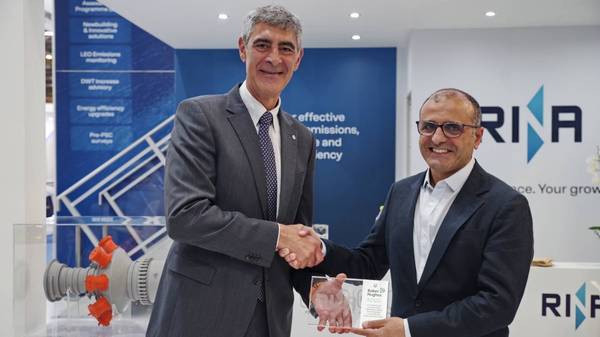
Baker Hughes’ NovaLT 16 gas turbine receives RINA type approval for marine propulsion on hydrogen and natural gas
Certification covers operation on natural gas and blends up to 100% hydrogen for marine use. |
|
|
|
||
|
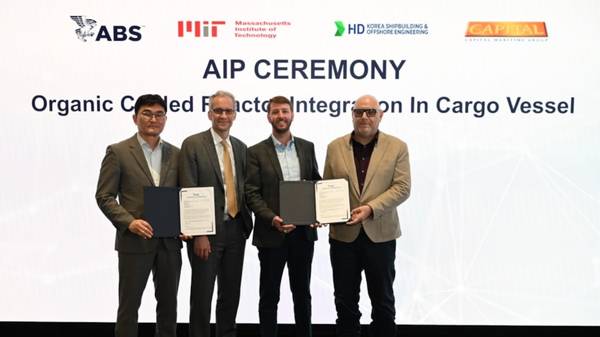
ABS grants approval in principle for nuclear reactor integration in cargo vessel design
ABS, HD KSOE, Capital Maritime Group and MIT have received approval in principle for a nuclear-powered cargo vessel propulsion system. |
|
|
|
||
|
Green e-fuel export corridor between Brazil and Belgium advances to feasibility stage
A consortium has been formed to develop a green e-fuel corridor linking Porto do Açu to Antwerp-Bruges. |
|
|
|
||
|
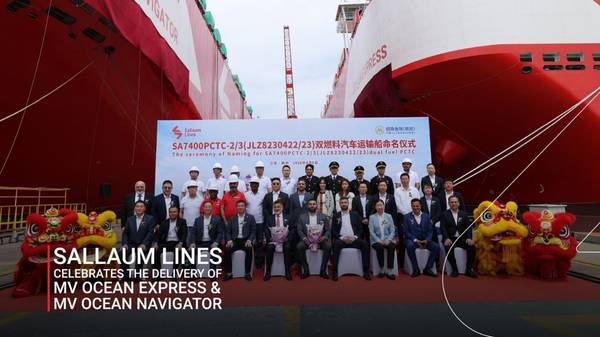
Sallaum Lines takes delivery of two LNG-fuelled PCTCs in simultaneous handover ceremony
RoRo carrier receives MV Ocean Express and MV Ocean Navigator from Chinese shipyard. |
|
|
|
||

|
Agastya Group signs MoU with Andhra Pradesh government for 1 MTPA green methanol hub at Mulapeta Port
India-based Agastya Group plans a $6.5bn green methanol export facility on the country's east coast. |
|
|
|
||
| Countdown to Copenhagen (Part 1): Global CO2 emissions from marine fuels [News & Insights] |

