This is a legacy page. Please click here to view the latest version.
Mon 3 Aug 2009, 09:34 GMT

Low sulphur initiative cuts Seattle ship emissions


Port says program has reduced sulphur dioxide by 80% and diesel particulate matter by 60%.


Ships at the Port of Seattle have reduced emissions of sulphur dioxide by at least 80 percent and diesel particulate matter by 60 percent through an innovative program called At-Berth Clean Fuels.

The program was unveiled on Friday 31st July aboard Matson Navigation’s M/V Manoa, at the Port’s Terminal 18.

“ABC Fuels reduces emissions where it makes the greatest difference,” said Phil Lutes, Deputy Managing Director of the Port’s Seaport Division. “When ships are in port, they’re close to where people work and live. Switching to low sulphur diesel when they’re tied up at our piers means cleaner air for our region.”

At-Berth Clean Fuels (ABC Fuels) was devised by the Port and shipping lines that call at Seattle in order to meet the goals of the Northwest Ports Clean Air Strategy, a joint effort by the Ports of Seattle, Tacoma and Vancouver (Canada) and their private sector partners to reduce maritime related air emissions.

Vessels participating in ABC Fuels agree to use low sulphur fuel (0.5% or less) in their auxiliary engines while docked in Seattle. In exchange, the Puget Sound Clean Air Agency helps defray the cost of the more expensive low sulphur fuel by providing participating vessels with $1,500 for each port call.

“The financial incentive helps vessel operators make the transition to the cleaner fuels,” said Lutes.

So far 37 ships from six container lines and one cruise line are participating in ABC Fuels. Those ships have made 91 stops at Seattle since January and represent about 35 percent of the vessels that make frequent calls at the Port. Sulphur dioxide emissions from those vessels have declined by more than 20 tonnes.

Participating shipping lines include APL, CMA CGM, China Ocean Shipping Company (COSCO), Hapag Lloyd, Maersk Line, Matson Navigation, and Norwegian Cruise Line.

“We have a good verification process,” said Lutes. “Participants log and show proof of their fuel purchases and fuel use,” he said. “On-board inspections are conducted by Det Norske Veritas – an independent foundation based in Norway whose mission is safeguarding life, property and the environment.”

“We’re proud to partner on this project and commend the Port of Seattle and Matson for championing this effort to keep the ‘Emerald City’ green,” said Dennis McLerran, Executive Director of the Puget Sound Clean Air Agency.

“This program achieves immediate and significant emission reductions when ships are in port, to the benefit of all who live and breathe in surrounding areas. We hope to see other larger container carriers and cruise lines take advantage of this program.”

“Improving air quality at the dock when ships are closest to people is the best first step as vessels transition to cleaner fuels” said Captain Mike Moore with the Pacific Merchant Shipping Association. “We’re pleased to support this cooperative effort to voluntarily reduce emissions while promoting strong international solutions – this proactive step will clean the air as we work to protect and grow jobs.”

“Matson appreciates the cooperative efforts that have allowed us to participate in this voluntary program to burn cleaner fuels at dock,” said Lisa Swanson, Director of Environmental Affairs for Matson. “It is safer and easier to comply with than similar programs in other jurisdictions.”


TMS Tankers logo. Lloyd’s Register delivers fleet-wide energy transition roadmap for TMS Tankers  

LR Advisory maps vessel-level compliance risk and decarbonisation pathways across the Greek owner’s tanker fleet.

Dr Prapisala Thepsithar, GCMD. GCMD shares biofuel assurance and green finance insights at Hong Kong shipping decarbonisation forum  

The Global Centre for Maritime Decarbonisation presented pilot findings on biofuels and energy efficiency financing.

Laura Maersk ethanol bunkering graphic. Maersk conducts large-scale ethanol bunkering trial on Laura Maersk in Rotterdam  

A.P. Moller – Maersk has conducted a barge-delivered ethanol bunkering operation as part of ongoing fuel trials.

Luminara vessel truck-to-ship bunkering. MOL Techno-Trade completes first LNG bunkering for international cruise ship in Hokkaido  

Truck-to-ship LNG operation at Hakodate marks first such supply to an international cruise vessel in Hokkaido.

Acta Gemini vessel. Acta Marine takes delivery of methanol dual-fuel CSOV Acta Gemini for RWE wind farm charter  

The vessel will support operations at the Sofia Offshore Wind Farm at Dogger Bank.

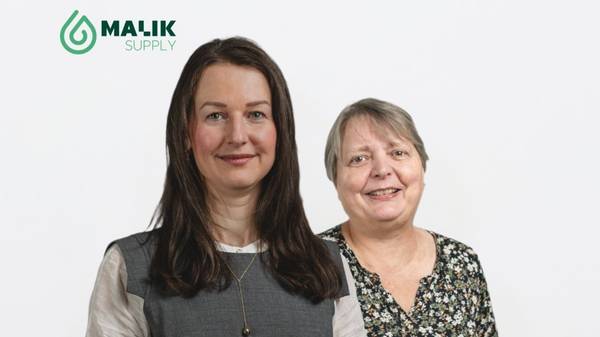
Yeva Wood and Kirsten Møller Jørgensen. Malik Supply expands Danish team with bunker trader and finance hire  

Danish bunker supplier Malik Supply adds two new staff across its Fredericia and Aalborg offices.

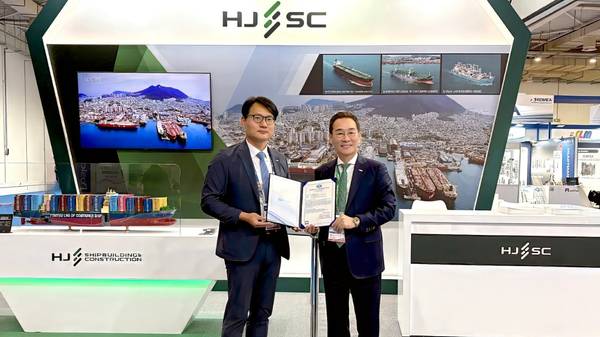
AiP award ceremony for a 10,000-teu biofuel-powered container ship. HJSC wins AiP for 10,000-teu biofuel-powered container ship design  

South Korean shipbuilder HJ Shipbuilding & Construction receives classification society approval for its biofuel vessel design at Posidonia.

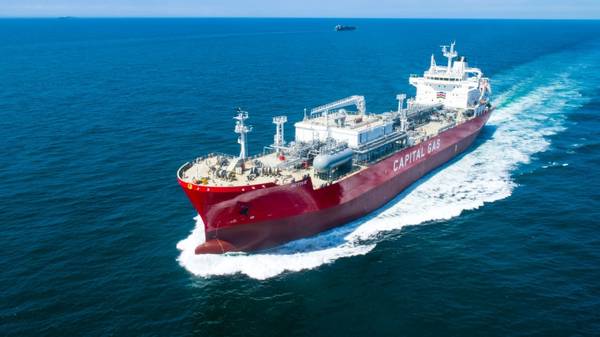
Active vessel. Capital Clean Energy Carriers takes delivery of LNG carrier and dual-fuel gas carrier, secures five new charters  

Athens-based CCEC expands its fleet and pushes contracted revenue backlog to $3.1bn.

VPS logo. Fuel quality management for vessels in extended idle: Arabian Gulf, Gulf of Oman and adjacent anchorages | Rahul Choudhuri, VPS  

Managing fuel quality deterioration following the closure of the Strait of Hormuz.

Person signing a document. Agastya Green Fuels signs 250,000 t/yr e-methanol offtake deal with Sri Lanka’s SAR Group  

Indian producer and Sri Lankan maritime firm agree long-term green methanol supply partnership.


↑  Back to Top