This is a legacy page. Please click here to view the latest version.
Mon 20 Jul 2009, 09:17 GMT

Brooklyn Terminal to install shore power


New York cruise terminal looks set to become the first on the US East Coast to install cold ironing.


The Port Authority of New York and New Jersey looks set to become the first port on the US East Coast to install shore power after receiving two grants from the U.S. Environmental Protection Agency(EPA) totaling $9.8 million and another $1.8 million grant from the North Jersey Transportation Planning Authority to implement the first pieces of a Comprehensive Clean Air Strategy.

As part of the eco-plan, the Port Authority received $2.8 million from the EPA to support the installation of a shore power system at the Brooklyn Cruise Terminal. The Brooklyn facility would be the first on the East Coast to provide shore power for docked vessels.

Shore power, also known as "cold-ironing", is a highly effective way to reduce marine diesel air emissions by enabling ships to shut down their engines and connect to the landside lectrical grid in order to provide necessary power while docked. Without shoreside electricity, vessels would use their own diesel-powered auxiliary engines to power refrigerated containers, pumps, lighting, air conditioning and computers while at dock.

Carnival Cruise Lines has committed to reconfiguring two cruise vessels that frequently call at the Brooklyn Cruise Terminal with the capability to receive shore power, at an estimated cost of $2 million.

This program is expected to reduce emissions from berthed cruise ships by 95.3 tons of NOx, 6.5 tons of particulate matter (PM), and 1,487 tons of greenhouse gases each year.

Earlier this year, the New York Shipping Association (NYSA) received the 2009 U.S. Environmental Protection Agency’s Environmental Quality Award for Business on behalf of its members, the highest recognition presented to the public by the EPA.

The award was given in recognition of NYSA’s members who were said to have made great environmental strides over the past 10 years.

Changes to equipment and terminal operations over a five year period resulted in a 45 percent reduction of air emissions per ton of cargo. Predictions for the next two years show that by 2010, carbon dioxide emissions will be reduced by 811.18 tons per year.

Some of the initiatives include the institution of no idling zones in many port areas. Marine Terminal Operators are restricting idling times of diesel powered equipment through the use of automatic shutoff devices and electric plug-in technology; and all yard equipment now operates on ultra-low sulfur diesel fuel.

The NYSA recently conducted a carbon footprint assessment to provide a baseline to pinpoint greenhouse gas emissions from the commercial marine vessels operating within the port, port-related equipment and also from fuel burning sources at six commercial marine terminals, five auto marine terminals and associated locomotives which are part of the port. This is an ongoing process, which the NYSA says will help it target future emission reductions.


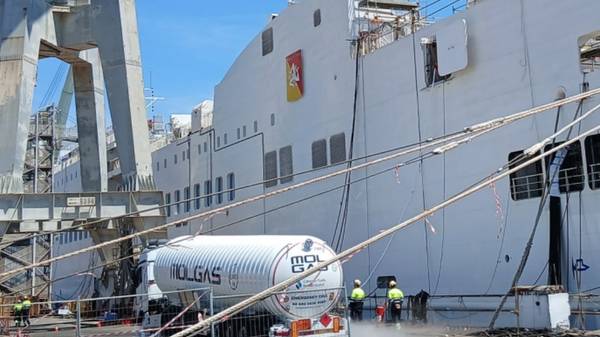
Truck-to-ship (TTS) LNG bunkering at Port of Palermo. Molgas completes first LNG bunkering operation at Palermo  

Spanish energy firm carries out maiden LNG delivery at Sicilian port.

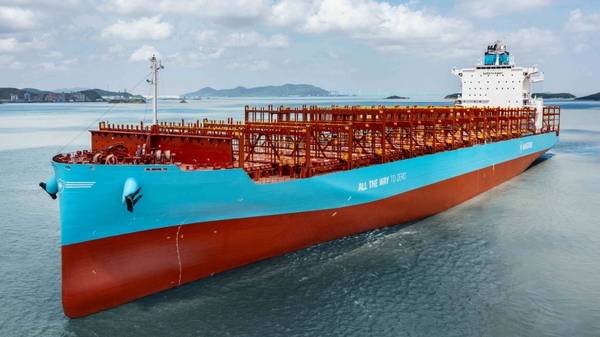
Maersk 5,900-teu vessel. Tsuneishi China delivers third methanol dual-fuel boxship in series  

Zhoushan shipbuilder hands over another 5,900-teu Maersk container vessel.

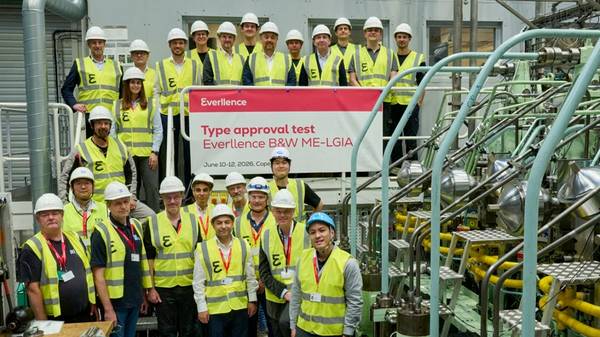
Type approval test (TAT) for ME-LGIA ammonia engine. Everllence completes type approval test for ammonia engine ahead of sea trials  

Eight classification societies oversee testing of ME-LGIA ammonia engine at Copenhagen research centre.

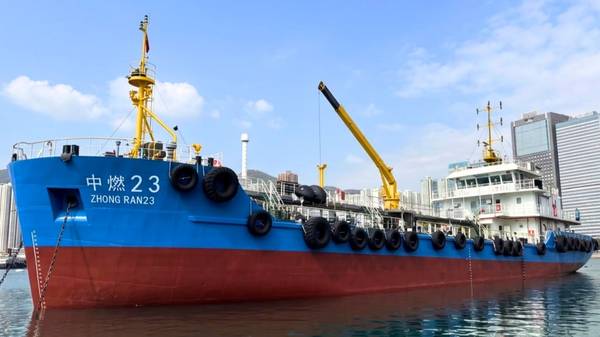
Zhong Ran 23 vessel. CPN bunker barge becomes first vessel listed under Hong Kong’s new quality bunkering scheme  

Zhong Ran 23 achieves listing under the Marine Department’s voluntary mass flow metering initiative.

Peder Moller, Bunker Holding. Bunker Holding posts $73m pre-tax profit amid geopolitical headwinds and board overhaul  

Marine fuels exceeds its own expectations despite 4% revenue decline.

Oilmar Board of Directors graphic. Oilmar formalises governance structure with establishment of board of directors  

Dubai-based marine fuels trader Oilmar appoints three-member board.

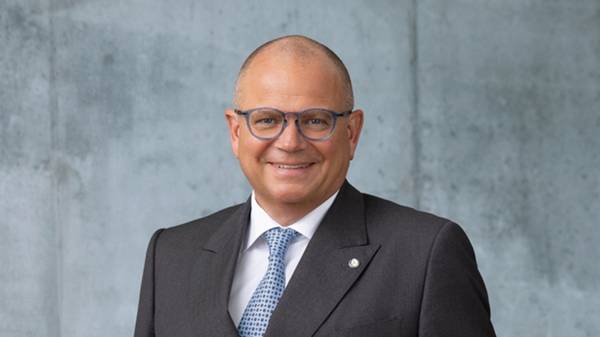
Henrik Andersen, Vestas Wind Systems A/S. Vestas Wind Systems CEO appointed vice chair of Bunker Holding  

Henrik Andersen joins the board of the marine fuels group with more than two decades of international business experience.

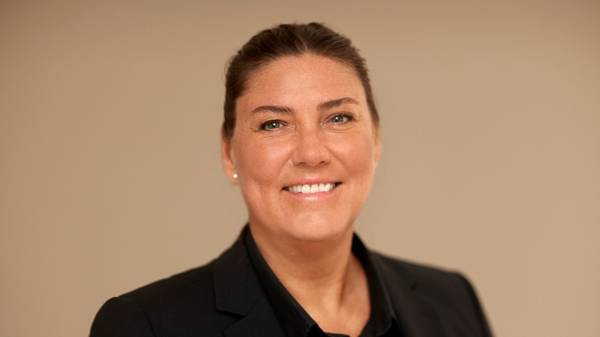
Tina Revsbech, Maersk Tankers. Maersk Tankers CEO Tina Revsbech joins Bunker Holding board  

Danish USTC Group appoints shipping veteran to subsidiary’s board of directors.

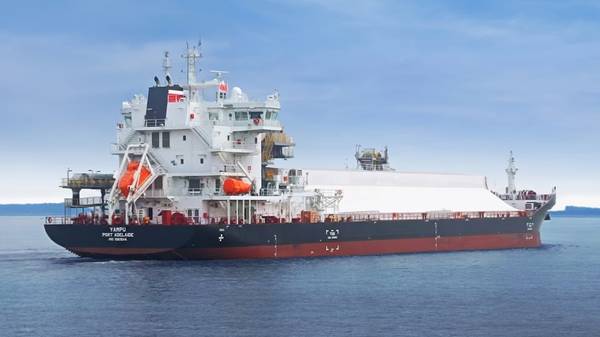
Yampu vessel. CSL delivers world’s first battery-powered self-unloading bulk carrier  

MV Yampu will transport limestone for Adbri in Australia, with full electric operation targeted by 2031.

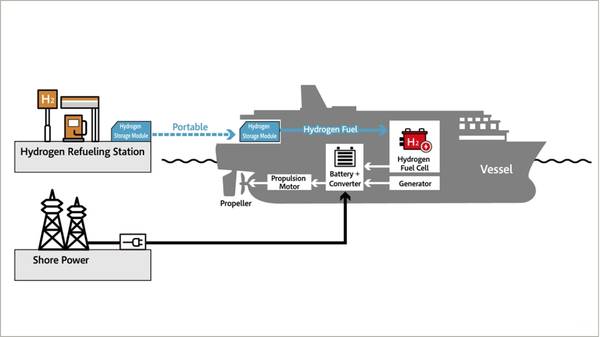
Illustration of hydrogen fuel cell system. NYK, Yanmar and Eneos to install hydrogen fuel cell system on new Tokyo dining cruise vessel  

Three Japanese companies are collaborating to bring hydrogen propulsion to a dining cruise ship due to enter service in 2027.


↑  Back to Top