

|
World Fuel seeks marine lube operations and sales executive in Greece
US firm is recruiting for a commercial role focused on marine lubricants, based out of its Glyfada office. |
|
|
|
||

|
European shipowners call for fuel supplier mandates and ETS revenue investment ahead of policy revision
Industry body urges EU policymakers to redirect carbon revenues into clean marine fuel production. |
|
|
|
||
|
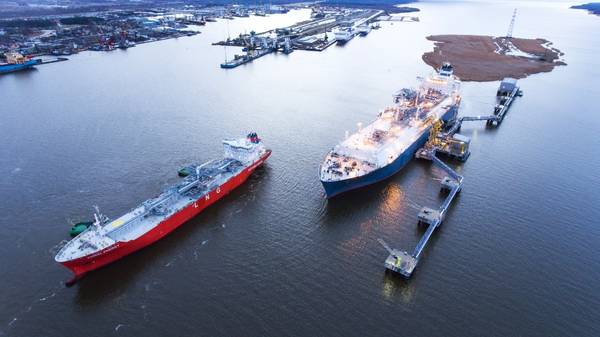
Gasum secures LNG terminal capacity at Klaipėda through 2040
Nordic energy company locks in long-term LNG supply access to serve northwestern European markets. |
|
|
|
||
|
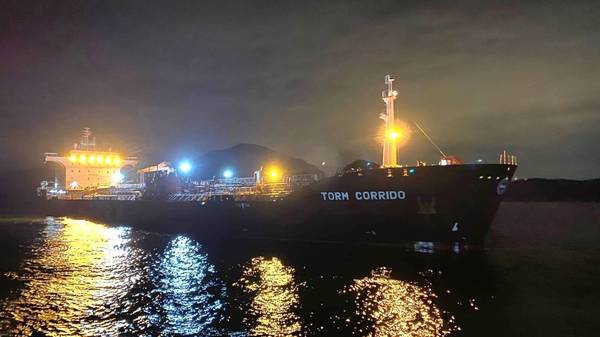
Chimbusco Pan Nation extends B100 biodiesel bunkering to oil tankers as quarterly volumes triple
Hong Kong bunker supplier CPN says Q2 B100 deliveries have exceeded Q1 totals by more than 300%. |
|
|
|
||
|
TMD Energy extends bioenergy MOA with Double Corporate by two years
Malaysian bunkering firm seeks to advance waste-to-energy marine fuel collaboration in EU and Asian markets. |
|
|
|
||
|
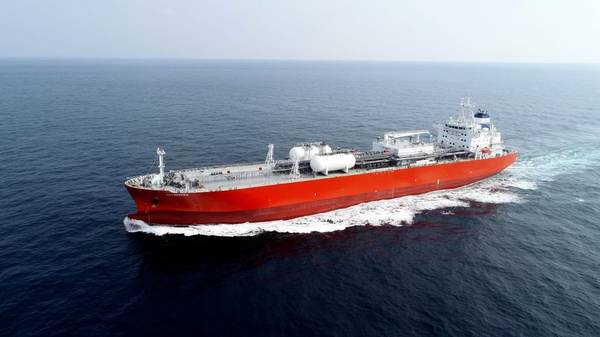
Exmar takes delivery of world’s first dual-fuel ammonia oceangoing vessel
Belgian shipowner Exmar has taken delivery of what it says is the first oceangoing vessel powered by a dual-fuel ammonia engine. |
|
|
|
||
|
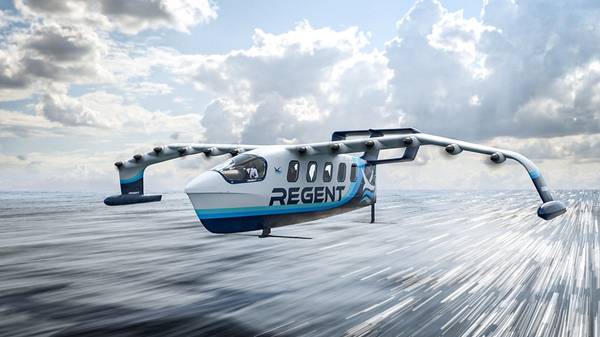
MOL and JAL partner with Lloyd’s Register and REGENT to advance Seaglider certification in Japan
Four organisations join forces to establish regulatory pathways for electric wing-in-ground craft ahead of a targeted 2030 commercial launch. |
|
|
|
||

|
ABS and HD Hyundai entities secure battery hybrid approval for 16,000-teu container vessel
Approval in principle issued for electrical design of ultra-large container ship at Posidonia. |
|
|
|
||
|
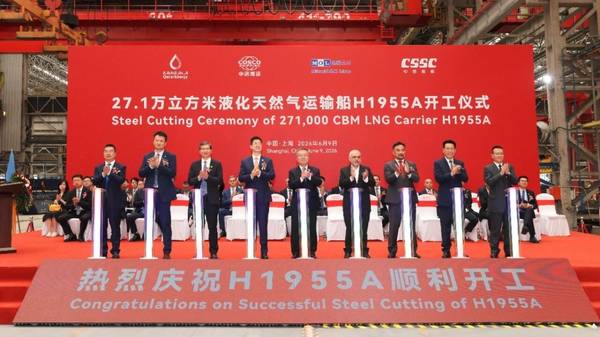
Keel laid for world’s largest LNG carrier at China’s Hudong-Zhonghua shipyard
Construction begins on a 271,000-cbm QC-Max vessel, the largest LNG carrier ever built. |
|
|
|
||
|
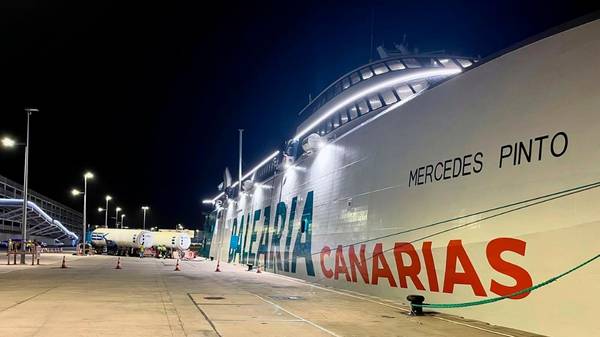
Port of Las Palmas completes first LNG bunkering operation
Baleària Canarias’ new fast ferry receives LNG via tanker truck in milestone delivery. |
|
|
|
||
| Nor-Shipping seminar: LNG as bunker fuel is reviewed [News & Insights] |
| LNG bunker tanker design at Nor-Shipping [News & Insights] |
| Shipyard to build LNG-powered ships [News & Insights] |
| Washington State Ferries submits LNG conversion proposal [News & Insights] |
| Pavilion Gas to supply PSA Marine tugs with LNG bunkers [News & Insights] |
| Carnival 'well on its way' to meeting GHG reduction target [News & Insights] |
| ABB to equip two shuttle tankers with bunker-saving solutions [News & Insights] |
| Report predicts LNG shipping recovery in 'latter part of the decade' [News & Insights] |

