This is a legacy page. Please click here to view the latest version.
Thu 2 Jul 2009, 11:04 GMT

EPA proposes tough fuel standards for large ships


Eco-agency reveals details of strategy to slash emissions from ocean-going ships.


The Environmental Protection Agency (EPA) has announced the next steps in a coordinated strategy to slash harmful emissions from ocean-going vessels. EPA is proposing a rule under the Clean Air Act that sets tough engine and fuel standards for U.S. flagged ships that would harmonize with international standards and lead to significant air quality improvements throughout the country.

“These emissions are contributing to health, environmental and economic challenges for port communities and others that are miles inland. Building on our work to form an international agreement earlier this year, we’re taking the next steps to reduce significant amounts of harmful pollution from getting into the air we breathe,” said EPA Administrator Lisa P. Jackson.

“Lowering emissions from American ships will help safeguard our port communities, and demonstrate American leadership in protecting our health and the environment around the globe.”

The rule comes on the heels of a key part of EPA’s strategy, a proposal last March by the United States and Canada to designate thousands of miles of the two countries’ coasts as an Emission Control Area (ECA). The International Maritime Organization (IMO) begins consideration of the ECA plan this month, which would result in stringent standards for large ships operating within 200 nautical miles of the coasts of Canada and the United States.

Air pollution from large ships, such as oil tankers and cargo ships, is expected to grow rapidly in line with port traffic increases. By 2030, the domestic and international strategy is expected to reduce annual emissions of nitrogen oxides (NOx) from large marine diesel engines by about 1.2 million tons and particulate matter (PM) emissions by about 143,000 tons. When fully implemented, the coordinated effort would reduce NOx emissions by 80 percent and PM emissions by 85 percent compared to current emissions.

The emission reductions from the proposed strategy would yield significant health and welfare benefits that would span beyond U.S. ports and coastlines, reaching inland areas. EPA estimates that in 2030, this effort would prevent between 13,000 and 33,000 premature deaths, 1.5 million work days lost, and 10 million minor restricted-activity days. The estimated annual health benefits in 2030 as a result of reduced air pollution are valued between $110 and $280 billion at an annual projected cost of approximately $3.1 billion - as high as a 90-to-1 benefit-to-cost ratio.

The proposed rulemaking is designed to reflect the IMO’s stringent ECA standards and broader worldwide program. The rule adds two new tiers of NOX standards and strengthens EPA’s existing diesel fuel program for these ships.

"It represents another milestone in EPA’s decade-long effort to reduce pollution from both new and existing diesel engines under the National Clean Diesel Campaign," the EPA said in a statement.

Information on the components of the coordinated strategy, including the proposed Clean Air Act standards and the ECA designation can be found at the following address:

www.epa.gov/otaq/oceanvessels.htm


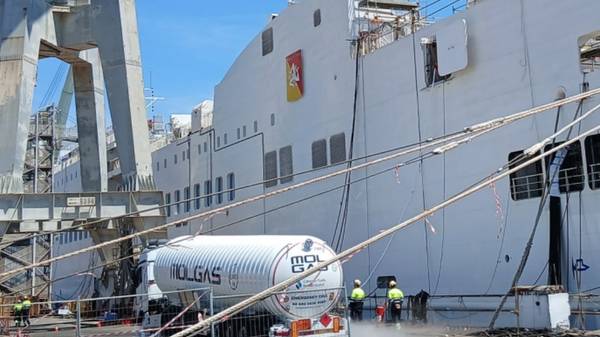
Truck-to-ship (TTS) LNG bunkering at Port of Palermo. Molgas completes first LNG bunkering operation at Palermo  

Spanish energy firm carries out maiden LNG delivery at Sicilian port.

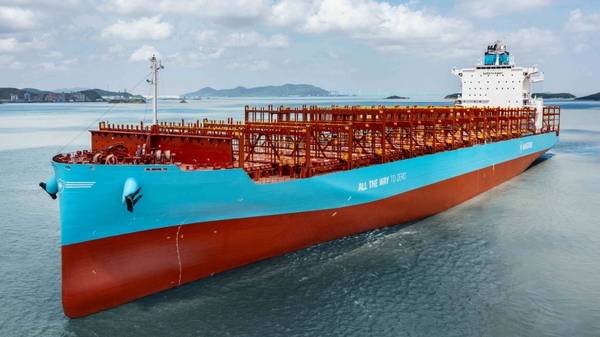
Maersk 5,900-teu vessel. Tsuneishi China delivers third methanol dual-fuel boxship in series  

Zhoushan shipbuilder hands over another 5,900-teu Maersk container vessel.

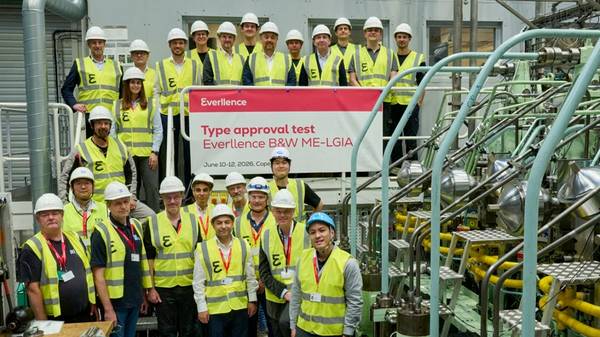
Type approval test (TAT) for ME-LGIA ammonia engine. Everllence completes type approval test for ammonia engine ahead of sea trials  

Eight classification societies oversee testing of ME-LGIA ammonia engine at Copenhagen research centre.

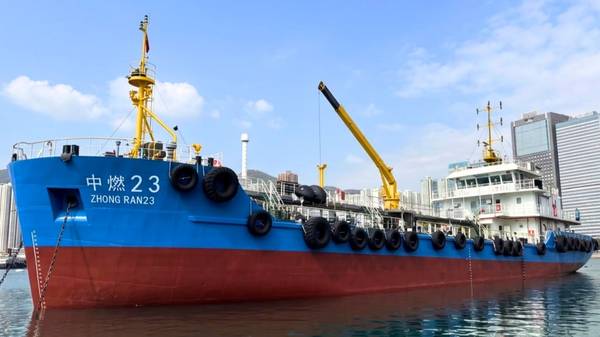
Zhong Ran 23 vessel. CPN bunker barge becomes first vessel listed under Hong Kong’s new quality bunkering scheme  

Zhong Ran 23 achieves listing under the Marine Department’s voluntary mass flow metering initiative.

Peder Moller, Bunker Holding. Bunker Holding posts $73m pre-tax profit amid geopolitical headwinds and board overhaul  

Marine fuels exceeds its own expectations despite 4% revenue decline.

Oilmar Board of Directors graphic. Oilmar formalises governance structure with establishment of board of directors  

Dubai-based marine fuels trader Oilmar appoints three-member board.

Henrik Andersen, Vestas Wind Systems A/S. Vestas Wind Systems CEO appointed vice chair of Bunker Holding  

Henrik Andersen joins the board of the marine fuels group with more than two decades of international business experience.

Tina Revsbech, Maersk Tankers. Maersk Tankers CEO Tina Revsbech joins Bunker Holding board  

Danish USTC Group appoints shipping veteran to subsidiary’s board of directors.

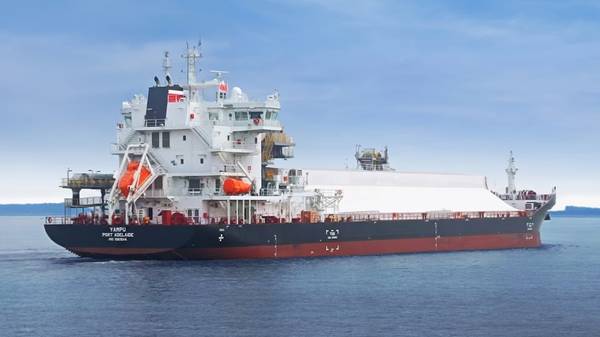
Yampu vessel. CSL delivers world’s first battery-powered self-unloading bulk carrier  

MV Yampu will transport limestone for Adbri in Australia, with full electric operation targeted by 2031.

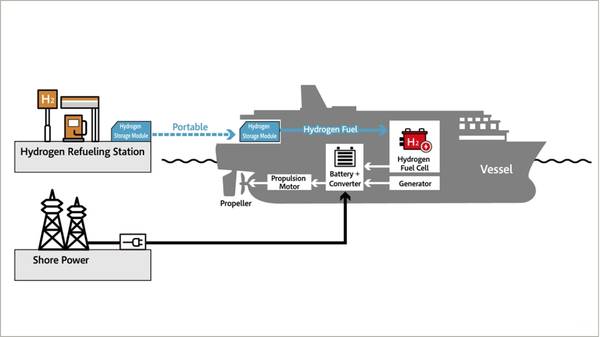
Illustration of hydrogen fuel cell system. NYK, Yanmar and Eneos to install hydrogen fuel cell system on new Tokyo dining cruise vessel  

Three Japanese companies are collaborating to bring hydrogen propulsion to a dining cruise ship due to enter service in 2027.


↑  Back to Top