This is a legacy page. Please click here to view the latest version.
Wed 1 Jul 2009, 09:27 GMT

July 1st: New fuel-burning requirements in California


Ship operators will be required to comply with new distillate fuel regulation from today.


Today marks the enforcement of the first significant regulation for the reduction of sulphur in marine fuel in North America.

A new regulation by the California Air Resources Board (CARB) will from today require shipowners operating within 24 miles of the California coastline to burn either marine gas oil (MGO), with a maximum of 1.5% sulphur, or marine diesel oil (MDO), with a maximum of 0.50% sulfur in their main engines, auxiliary engines or boilers.

Thereafter, beginning January 1, 2012, vessel operators will be required to use MGO or MDO with a maximum 0.10% sulphur in their main and auxiliary engines.

Operators who fail to comply with the rules would be subject to fines, penalties and potential exclusions from the ports of California.

Please find a summary of the fuel requirements in California in the table below:

Fuel Requirement Effective Date Fuel
Phase I July 1st 2009 Marine gas oil (DMA) at or below 1.5% sulphur; or Marine diesel oil (DMB) at or below 0.5% sulphur
Phase II Jan 1st 2012 Marine gas oil (DMA) or Marine diesel oil at or below 0.1% sulphur
In order to ensure compliance, CARB has recommended that :-

(i) Vessel crews are thoroughly familiar with the operational procedures used to switch fuels in main engines, auxiliary engines and auxiliary boilers.

(ii) Sufficient quantities of the specified “Phase I” cleaner fuels are onboard the vessel prior to making a California port visit.

(iii) Vessel crews understand the relevant record-keeping requirements.

Additional information, including special provision for noncompliance, can be found at www.arb.ca.gov/marine and a copy of the regulation is available from the address below:

www.arb.ca.gov regact/2008/fuelogv08/fuelogv08.htm


Capital Clean Energy Carriers Corp. (CCEC) and CMA CGM logos. Capital Clean Energy Carriers and CMA CGM form joint venture to build $82.8m LNG bunkering vessel  

The 20,000-cbm dual-fuel vessel is due for delivery in the third quarter of 2028.

Hong Kong flag. Hong Kong launches port dues and vessel registration incentives to boost green fuel bunkering  

Two new schemes offer financial concessions to attract green fuel vessels and grow the Hong Kong fleet.

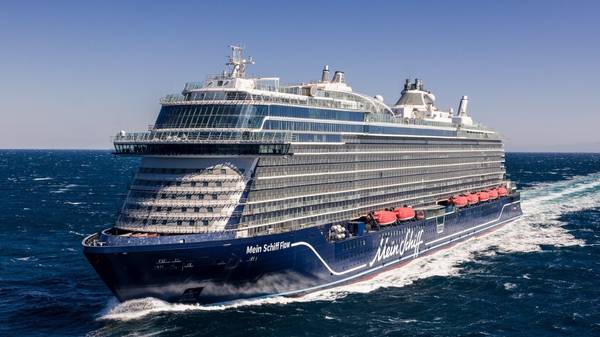
Mein Schiff Flow vessel. Fincantieri delivers LNG-ready cruise ship Mein Schiff Flow to TUI Cruises  

The 160,000 gross-tonne vessel is the second of two InTUItion-class dual-fuel ships.

Monjasa logo. Monjasa seeks trader for Fredericia-based Northwest Europe desk  

Bunker firm is recruiting a trader to join its Northwest Europe team.

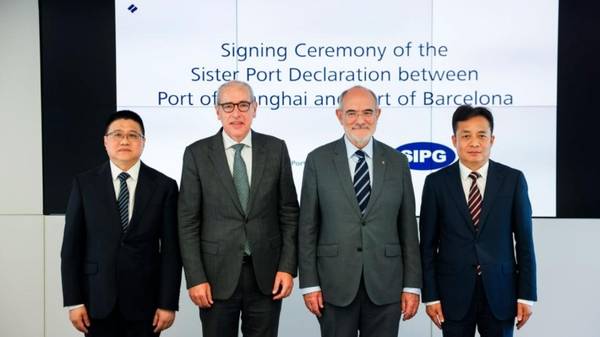
Port of Barcelona and Port of Shanghai signing ceremony. Barcelona and Shanghai sign strategic port cooperation agreement targeting green fuels and digital corridors  

Ports formalise a 'sister ports' relationship covering green shipping, digitalisation and intermodality.

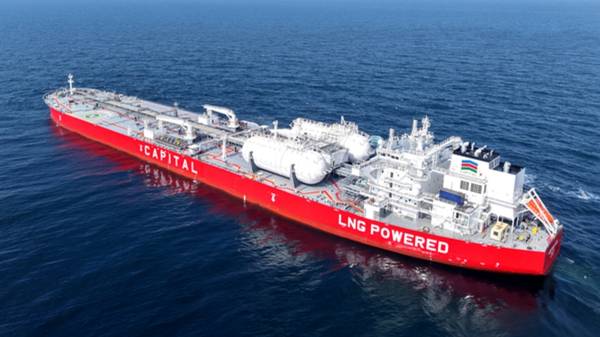
Capital's LNG-powered vessel. Chinese shipbuilder delivers 155,500-dwt LNG dual-fuel crude oil tanker  

Vessel handed over to Capital Ship Management Corp in China.

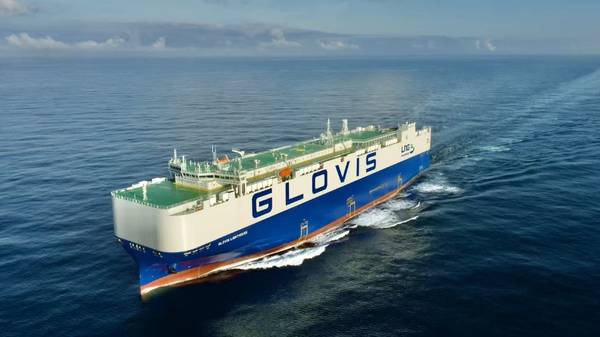
Glovis Lighthouse vessel. Seaspan takes delivery of first 10,800-ceu dual-fuel LNG car carrier  

Glovis Lighthouse enters service as one of a handful of vessels globally to exceed 10,000 CEU capacity.

Port of Rotterdam, Maersk, Core Power and Lloyd's Register logos. Rotterdam study maps pathway for nuclear-powered commercial ship port calls  

A joint study by Lloyd's Register, the Port of Rotterdam, Core Power and Maersk examines the feasibility of nuclear vessel port calls.

Hakata waterfront. Kinkai Yusen conducts first biofuel demonstration on domestic ro-ro vessel at Hakata Port  

Japanese shipping company to trial B24 biofuel blend aboard the vessel Nanotsu on 16 June.

Norwegian Energy Trading (NET) AS logo. Norwegian Energy Trading renews ISCC certification for biofuel trading  

Norwegian bunker trader says renewal reflects growing biofuel volumes and commitment to verifiable sustainability standards.


↑  Back to Top