
|
World Kinect marine segment posts record quarterly gross profit amid bunker price volatility
Marine division delivers its best-ever quarterly result as the conflict in the Middle East drives bunker price swings. |
|
|
|
||
|
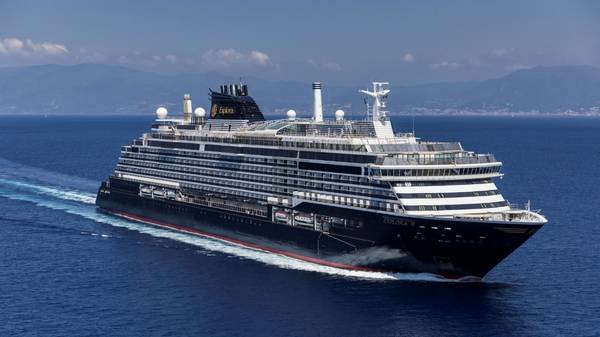
Explora Journeys takes delivery of first LNG-powered ship in its fleet
Explora III, delivered by Fincantieri in Genoa, marks the brand’s first LNG-fuelled vessel. |
|
|
|
||
|
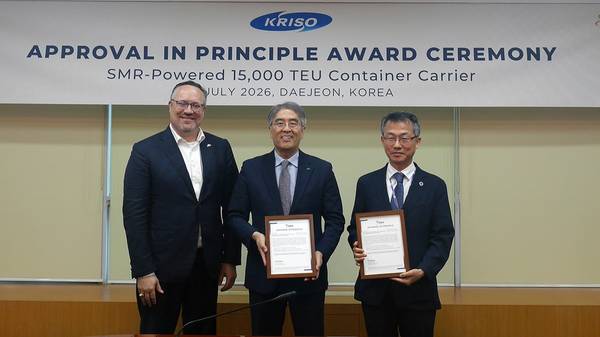
ABS grants approval in principle for nuclear-powered 15,000-teu containership concept
The concept design, developed with two Korean research institutes, features a marine molten salt reactor. |
|
|
|
||

|
T-SOL delivers first Japan-built methanol fuel supply system
The system, which received ClassNK approval in principle in 2024, will be installed on a Kamsarmax bulk carrier. |
|
|
|
||
|
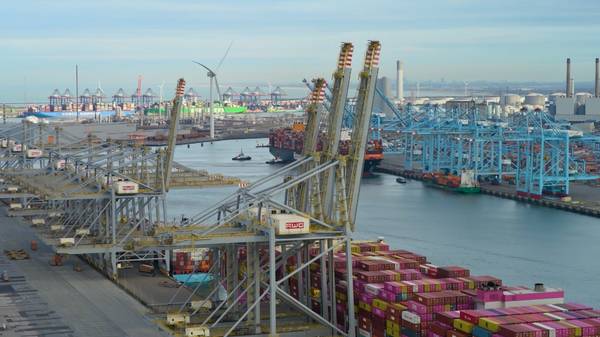
Rotterdam records 0.4% rise in total throughput for H1 2026
LNG throughput up 1.7% to 6.4m tonnes, with exports increase attributed partly to greater use of LNG as a marine fuel. |
|
|
|
||
|
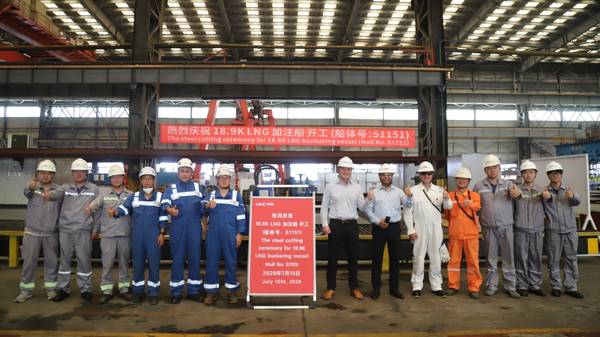
Construction begins on LNG bunkering vessel for Shell
Ceremony held for first of two 18,900-cbm vessels being built for Purus Marine. |
|
|
|
||

|
Monjasa seeks supply trader in Singapore
Role focused on developing and maintaining supplier relationships for the firm's back-to-back operations. |
|
|
|
||
|
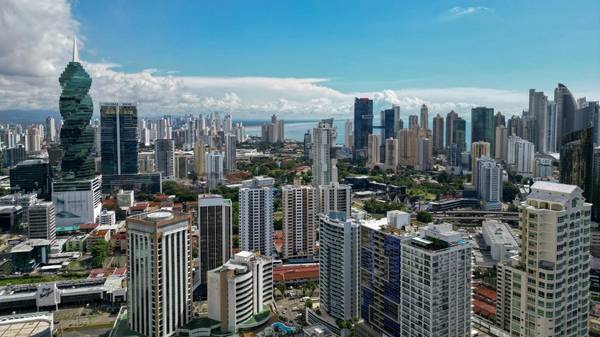
Monjasa hiring trader for Panama physical trading team
Bunker firm looking for candidates with at least two years' experience in sales, trading, shipping, logistics, or similar commercial role. |
|
|
|
||
|
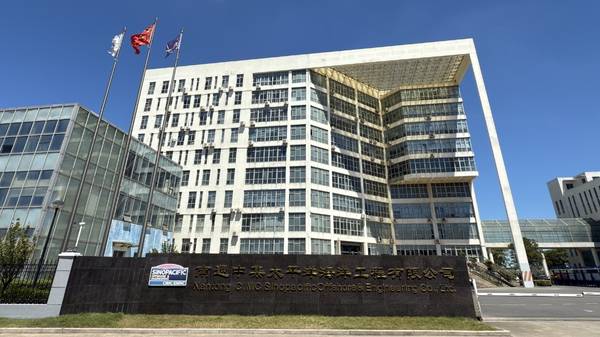
CIMC SOE and Sinopec Clean Energy sign contract for 12,000-cbm LNG bunkering vessel
Vessel is scheduled for delivery in 2028 and will serve China’s coastal LNG bunkering network. |
|
|
|
||
|
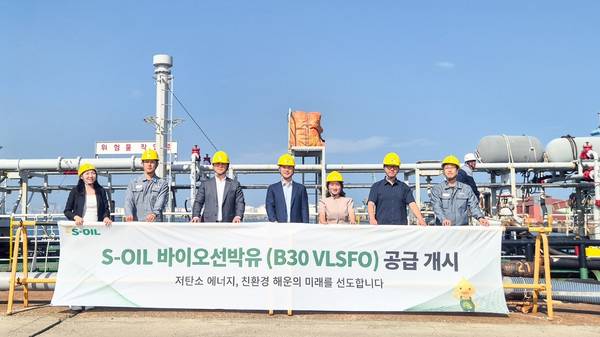
S-Oil begins supplying B30 VLSFO from Ulsan
South Korean refiner S-Oil enters the bio-bunkering market with a vertically integrated Ulsan supply chain. |
|
|
|
||
| VPS issues high sodium fuel alert for Haifa [News & Insights] |
| VPS flags up high density and sediment fuels in Gibraltar [News & Insights] |
| VPS issues flash point distillate alert for Bergen [News & Insights] |
| VPS issues third low flash point fuel alert in Singapore [News & Insights] |
| J. Lauritzen and Torm achieve bunker savings from Blue INNOship project [News & Insights] |
| Shipping firms fined for not switching fuels [News & Insights] |
| IBIA calls for bunker sample verification guidelines before 2020 [News & Insights] |
| World's first methanol-fuelled boxship completes maiden trip [News & Insights] |
| Advisory issued regarding bunker-related fines in China [News & Insights] |