Dorian LPG has engaged the
American Bureau of Shipping (ABS) to evaluate the use of liquefied petroleum gas (LPG) as a marine fuel, among other options, in advance of the International Maritime Organization's (IMO) upcoming global sulphur cap requirements in 2020.
ABS has been tasked with providing an in-depth techno-economic analysis, laying out compliance options for the impending global sulphur cap, including not only LPG as a marine fuel, but also the installation of
scrubbers and the use of
low-sulphur fuels.
Dorian LPG, which owns and operates a fleet of very large gas carriers (VLGCs), transporting LPG around the world, explained: "If the economic viability of LPG as a bunker fuel is established, the company believes that it could represent a
significantly more attractive and cost-effective alternative to the current methods available to comply with the coming emissions regime for environmental control areas."
The US classification society noted that it will be "important to fully understand the technical implications and risks of applying an alternative fuel source, such as LPG". Therefore, it will first of all perform a comprehensive LPG as fuel technical evaluation in order to define the most advantageous options to serve the needs of the specified vessel design. The evaluation will consider the applicable
regulations, the
design capabilities and
limitations, the
installation and
safety requirements, the
operating features and
equipment restrictions.
As part of its newbuilding program, Dorian LPG proactively made certain
enhancements to its VLGC design to allow it to have the option to use LPG as a marine fuel in the future. The company notes that LPG as a fuel source has a "significant advantage" over other potential sources given that
over 1,000 ports around the world already have LPG storage facilities.
"As we look ahead at the implementation date of the IMO's mandate to reduce sulphur fuel emissions, we are maintaining our strategy to ensure that our fleet remains
efficient and cost-effective. Based on the environmental benefits of LPG as well as the large number of ports that have the
existing infrastructure to deliver LPG to the global fleet, we are examining the potential of using LPG as a marine fuel," remarked Dorian LPG Chairman, CEO and President
John Hadjipateras.
"We believe that the relevant technologies are sufficiently advanced to allow a meaningful analysis of this environmentally friendly and cost effective fuel. If the study proves the commercial viability of LPG for marine fuel use, the company will be at the forefront of this innovation. Our customers and shareholders will be well positioned to reap the long-term benefits," Hadjipateras added.
"It is important for owners and operators to assess their fleets and evaluate their options so that they can develop the most efficient compliance strategies as new requirements come into place," said ABS Chairman, President and CEO
Christopher J. Wiernicki. "
The Dorian LPG fleet of VLGCs provides an opportunity to investigate new fuels, such as LPG, among other conventional options, and we are excited to work closely with them as they develop strategies that meet their unique fleet profile."
ABS added: "As owners begin to prepare for compliance with impending air emissions requirements, they want to be sure they have selected solutions that best meet their fleet needs. Through its techno-economic analysis, ABS offers guidance that gives owners and operators confidence in their compliance strategies."
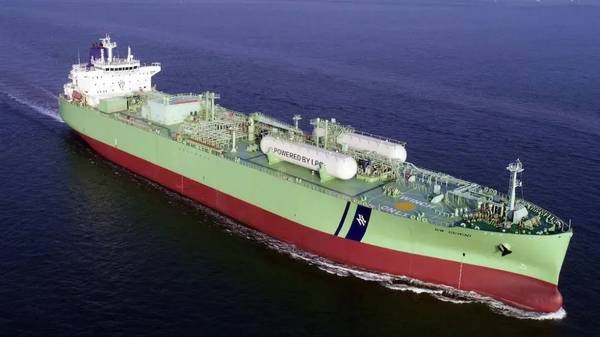
Image: The Dorian LPG vessel Captain Markos NL.