This is a legacy page. Please click here to view the latest version.
Mon 15 Dec 2008, 08:11 GMT

Lubricating system fitted to cut costs


System aims to cut lubricating oil consumption and reduce operating costs.


Finnish engine manufacturer Wärtsilä has won an order in November from the German shipowner NSB Niederelbe Schiffahrtsgesellschaft mbH & Co KG (Reederei NSB) for retrofitting another 23 ships with the Retrofit Pulse Lubricating System (RPLS). Wärtsilä claims the system cuts lubricating oil consumption and saves engine operating costs.

The new cylinder lubricating system will be fitted to all Wärtsilä RTA84C and RTA72U engines in the owner’s fleet of container ships.

Commenting on the RPLS system, Bozidar Petrovic, Managing Director of Reederei NSB said “In 2007, we purchased the RPLS for our 19 ships equipped with the Wärtsilä RTA96C engine. The retrofits have proven to generate the promised savings in cylinder lubricant while being reliable in savings. Therefore, we have decided to retrofit our whole fleet of Wärtsilä two-stroke engines to provide our share holders with the lowest operating costs possible. With its precise timing and accurate metering of cylinder oil considerable cost savings will be achieved.”

According to Wärtsilä, interest from shipowners for retrofitting the electronically-controlled Retrofit Pulse Lubricating System (RPLS) to Wärtsilä RTA and RT-flex low-speed marine diesel engines has been significant. Orders are said to have already been received for more than 150 complete engine installations. The first retrofit was completed in September 2006 and now more than 100 engines are in service with RPLS.

The first ever RPLS was installed in the container ship “Cosco Shenzhen” in the autumn of 2006. The vessel, owned and chartered by shipping company E.R. Schiffahrt GmbH & Cie KG., was fitted with RPLS whilst the ship sailed from Hong Kong to San Francisco via China.

“The RPLS solution has delivered all the benefits promised,” says Claus Tantzen, Technical Manager within the Fleet Management department at E.R. Schiffahrt. “In addition to cost-savings we are on the lookout for operational reliability. The system is being fitted to all nine Wärtsilä RTA96C engines in our fleet.”

Wärtsilä says its RPLS cylinder lubrication solution trumps traditional systems by its electronically-controlled feeding of cylinder oil.

"Compared to accumulator systems the RPLS can help achieve typical yearly savings of up to USD 200,000 for a 12-cylinder RTA96C engine running for 7000 hours a year with cylinder oil costing USD 1700/tonne," the company said in a statement.

"The Pulse Lubricating System delivers reduced cylinder oil consumption without compromising piston-running reliability. This is made possible through an improved distribution of cylinder lubricating oil to the cylinder liner, and the fully flexible, precise timing of oil delivery," Wärtsila added.

The guide feed rate for RTA and RT-flex engines retrofitted with the Pulse Lubricating System is 0.8 g/kWh of cylinder lubricating oil. The Pulse Lubricating System is available now for retrofitting to all Wärtsilä two-stroke engines.

Shipowners can obtain further information on retrofitting the Pulse Lubricating System by e-mailing: rpls@wartsila.com


TMS Tankers logo. Lloyd’s Register delivers fleet-wide energy transition roadmap for TMS Tankers  

LR Advisory maps vessel-level compliance risk and decarbonisation pathways across the Greek owner’s tanker fleet.

Dr Prapisala Thepsithar, GCMD. GCMD shares biofuel assurance and green finance insights at Hong Kong shipping decarbonisation forum  

The Global Centre for Maritime Decarbonisation presented pilot findings on biofuels and energy efficiency financing.

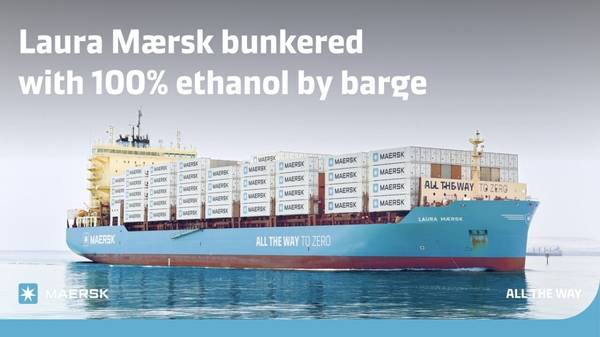
Laura Maersk ethanol bunkering graphic. Maersk conducts large-scale ethanol bunkering trial on Laura Maersk in Rotterdam  

A.P. Moller – Maersk has conducted a barge-delivered ethanol bunkering operation as part of ongoing fuel trials.

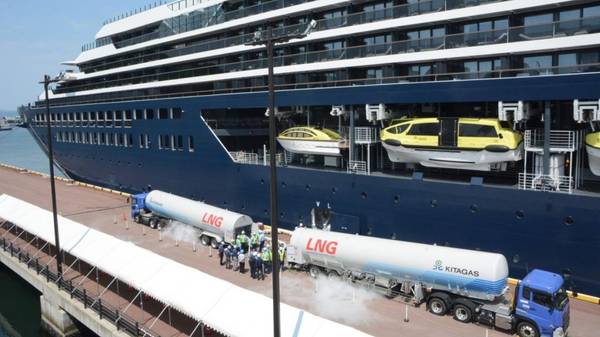
Luminara vessel truck-to-ship bunkering. MOL Techno-Trade completes first LNG bunkering for international cruise ship in Hokkaido  

Truck-to-ship LNG operation at Hakodate marks first such supply to an international cruise vessel in Hokkaido.

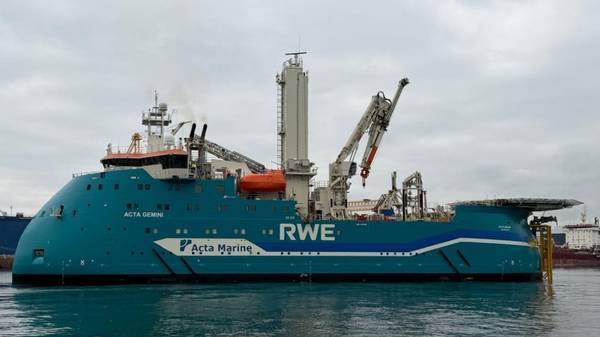
Acta Gemini vessel. Acta Marine takes delivery of methanol dual-fuel CSOV Acta Gemini for RWE wind farm charter  

The vessel will support operations at the Sofia Offshore Wind Farm at Dogger Bank.

Yeva Wood and Kirsten Møller Jørgensen. Malik Supply expands Danish team with bunker trader and finance hire  

Danish bunker supplier Malik Supply adds two new staff across its Fredericia and Aalborg offices.

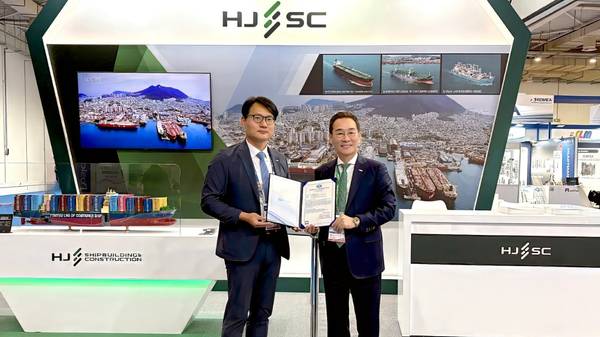
AiP award ceremony for a 10,000-teu biofuel-powered container ship. HJSC wins AiP for 10,000-teu biofuel-powered container ship design  

South Korean shipbuilder HJ Shipbuilding & Construction receives classification society approval for its biofuel vessel design at Posidonia.

Active vessel. Capital Clean Energy Carriers takes delivery of LNG carrier and dual-fuel gas carrier, secures five new charters  

Athens-based CCEC expands its fleet and pushes contracted revenue backlog to $3.1bn.

VPS logo. Fuel quality management for vessels in extended idle: Arabian Gulf, Gulf of Oman and adjacent anchorages | Rahul Choudhuri, VPS  

Managing fuel quality deterioration following the closure of the Strait of Hormuz.

Person signing a document. Agastya Green Fuels signs 250,000 t/yr e-methanol offtake deal with Sri Lanka’s SAR Group  

Indian producer and Sri Lankan maritime firm agree long-term green methanol supply partnership.


↑  Back to Top