This is a legacy page. Please click here to view the latest version.
Mon 20 Feb 2017, 12:39 GMT

ECSA rues port and cargo support for EU ETS


Association believes regional ETS jeopardises global roadmap commitment.


The European Community Shipowners' Associations (ECSA) says it "regrets" and "deplores" that European port and cargo interests have come out in favour of the European Parliament's recent decision to include shipping in the EU Emission Trading Scheme (ETS) as of 2023 if the International Maritime Organisation (IMO) does not have a comparable system operating by 2021.

In a statement, Patrick Verhoeven, Secretary General of the ECSA, said: "It is most unfortunate and worrying that our partners in the logistics chain are condoning a regional approach. Whilst we recognise and support the pro-active attitude of ports and logistic operators to reduce GHG emissions, we are disappointed that they do not see how the position of Parliament will exactly achieve the opposite of what they also claim to desire: an ambitious and effective global agreement for shipping."

Verhoeven added: "And then we don't even mention the detrimental effects a regional ETS will most certainly have on EU ports that are open to competition from non-EU neighbours, such as Mediterranean hubs and - with Brexit - the North Sea ports. Instead of supporting regional pressure, we invite our service providers and customers to have their voices heard in the IMO. That is where the actual work now takes place."

In October, IMO member states agreed on a global roadmap to develop a strategy - due to be delivered in 2023 - to curb GHG emissions from ships. The ECSA believes, therefore, that the idea of establishing a regional ETS system in the EU beforehand could negatively impact a future IMO-level agreement.

"The request of Parliament to already have a system comparable to the EU ETS operating globally two years earlier ignores and jeopardises the international commitment that IMO countries, including all EU Member States, have signed up to," Verhoeven said.

Image: Patrick Verhoeven, Secretary General of the ECSA.


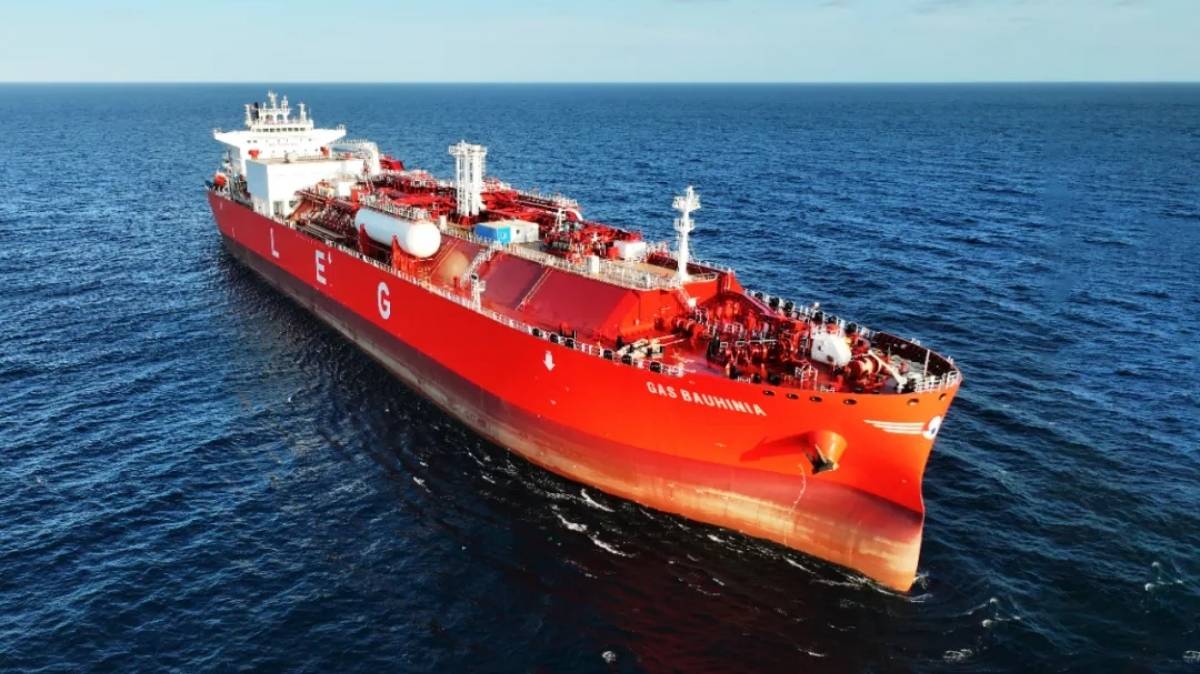
Gas Bauhinia vessel. Jiangnan Shipyard delivers dual-fuel VLEC to Southwest Shipping  

Delivery of Gas Bauhinia closes out a series of very large ethane carriers built for Southwest Shipping.

Lotte Fine Chemical and Hoegh Autoliners logos. Lotte Fine Chemical and Höegh Autoliners sign MoU on green ammonia bunkering  

Chemicals firm and car carrier operator to collaborate on ammonia fuel supply chain and bunkering infrastructure.

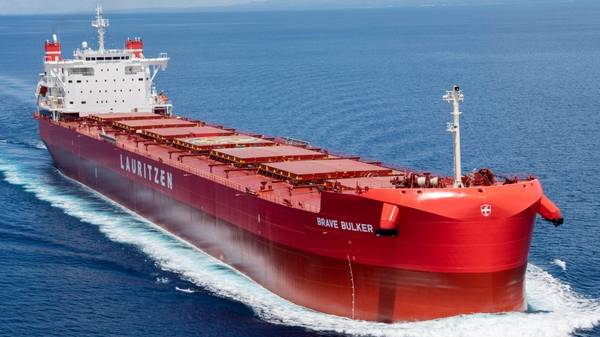
Brave Bulker vessel. Tsuneishi-Cebu delivers third methanol dual-fuelled Kamsarmax bulker  

Vessel features dual-fuel design that allows the use of methanol alongside conventional fuel.

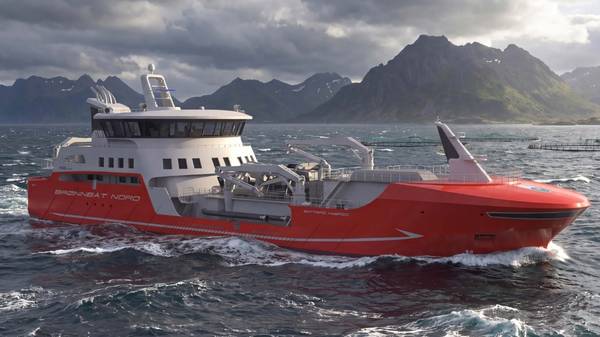
LFC 5000 vessel render. Everllence to supply 175D GenSets for battery-hybrid live-fish carrier  

Four 12V175D-MEV variable-speed GenSets will power a well-boat for Norway's Brønnbåt Nord.

Bunker Partner logo. Bunker Partner seeks marine fuel trader for Singapore office  

Prior experience in marine fuels and good knowledge of the Singapore and APAC bunker markets required.

Stanley George, VPS. VPS manager joins ISO working group on alternative marine fuels  

Stanley George will represent the UK on ISO’s alternative marine fuels specification group.

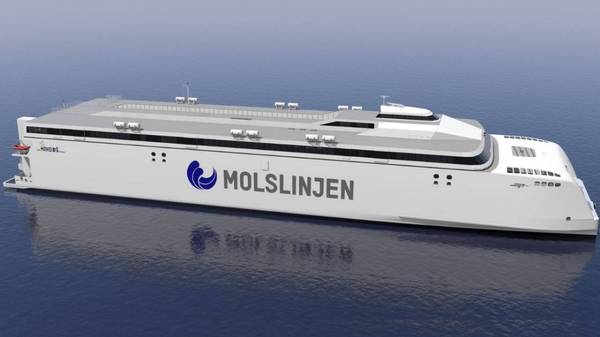
Molslinjen vessel render. AYK Energy secures battery contract for Molslinjen's electric fast ferries  

Battery maker to supply 165MWh for three electric catamarans after cutting system weight by nearly half.

Giosue Vezzuto, RINA. Giosuè Vezzuto named CEO of RINA Services, taking charge of marine and certification arm  

Naval engineer with nearly three decades at RINA succeeds Paolo Moretti to lead the group's marine and certification division.

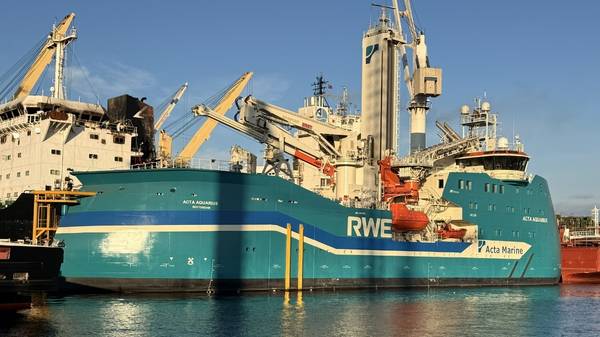
Acta Aquarius vessel. Acta Marine completes four-vessel newbuild programme with delivery of methanol dual-fuel Acta Aquarius  

Dutch offshore support vessel operator takes delivery of its fourth Tersan-built CSOV, featuring dual-fuel methanol propulsion.

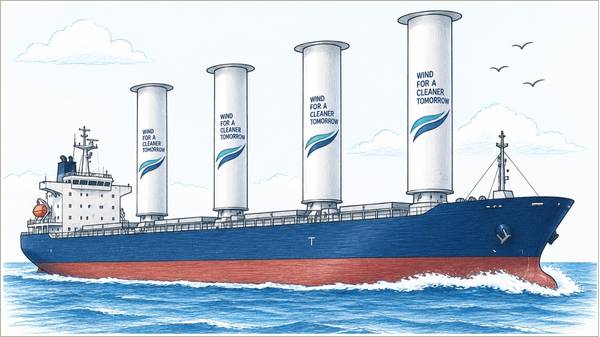
Wind-assisted vessel illustration. Lloyd's Register backs GCMD methodology for verifying wind propulsion fuel savings  

Independent review aims to boost confidence in wind-assisted propulsion performance and unlock sustainable finance for energy-efficiency retrofits.


↑  Back to Top