
|
Eleven Energy recruiting trader for new Singapore office
Saudi bunkering firm looking to hire in Asian city-state ahead of planned January 2027 start date. |
|
|
|
||
|
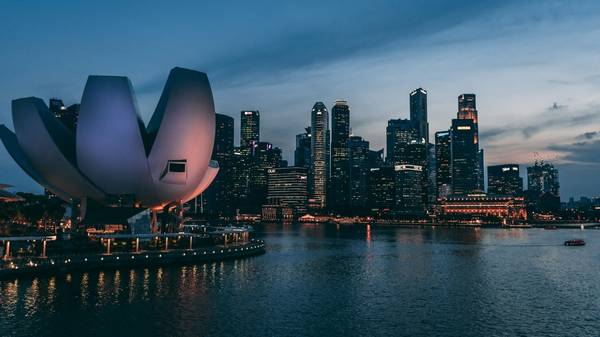
VPS advertises for bunker surveyor role in Singapore
Testing and inspection firm seeks candidate to conduct bunker fuel surveys under Singapore Standards SS 648 and SS 600. |
|
|
|
||
|
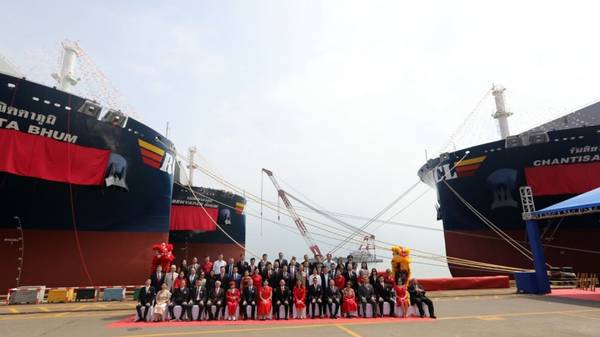
RCL names first three of eight dual-fuel-ready 4,488-TEU vessels in China
Regional Container Lines takes delivery of Anitta Bhum on day of naming ceremony. |
|
|
|
||
|
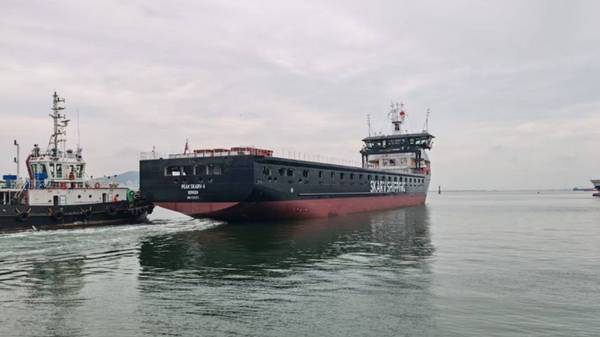
Skarv Shipping completes newbuilding programme with delivery of ammonia-ready Peak Skarv 4
Short-sea operator takes delivery of fourth vessel from Huanghai Shipyard, with ammonia-fuelled vessel next. |
|
|
|
||
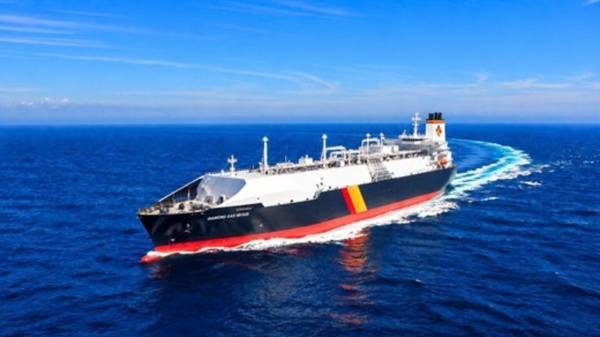
|
NYK names dual-fuel LNG carrier for Cameron LNG project
New vessel to support LNG transportation for US project in which Mitsubishi Corporation and NYK participate. |
|
|
|
||
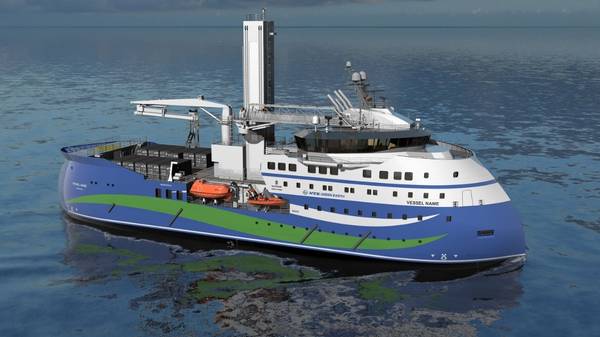
|
PaxOcean signs design contract with Ulstein for methanol-ready offshore wind vessel
PaxOcean and Ulstein agree design contract for an SX222 service operation vessel, prepared for methanol and electric operations. |
|
|
|
||
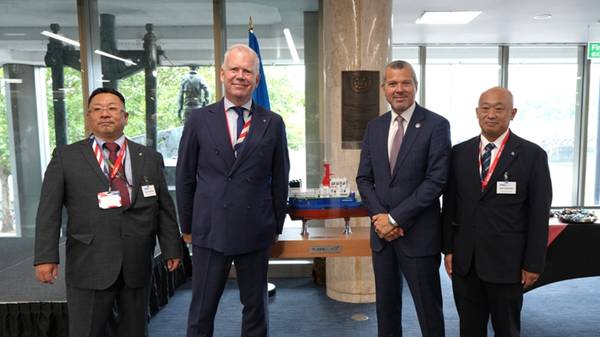
|
NYK shares two years of ammonia-fuelled tugboat data with IMO
Shipping company presents operational insights from Sakigake and updates on its ammonia-fuelled gas carrier at IMO session. |
|
|
|
||
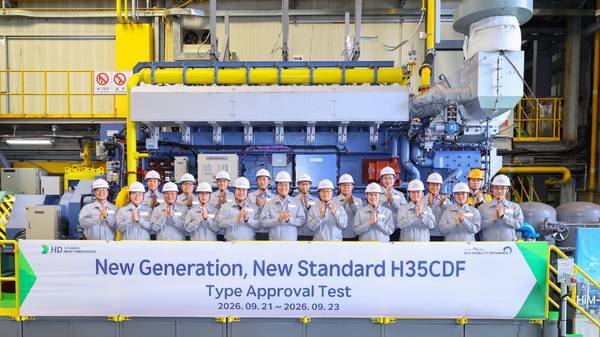
|
HD Hyundai completes type approval test for new LNG dual-fuel engine
Latest HiMSEN engine is claimed to offer reduced methane slip compared with previous models. |
|
|
|
||

|
Petrobras resumes bunkering operations at Rio Grande Terminal after power restoration
Brazilian supplier restarts marine fuel supply after completing an inspection following an electricity outage. |
|
|
|
||
|
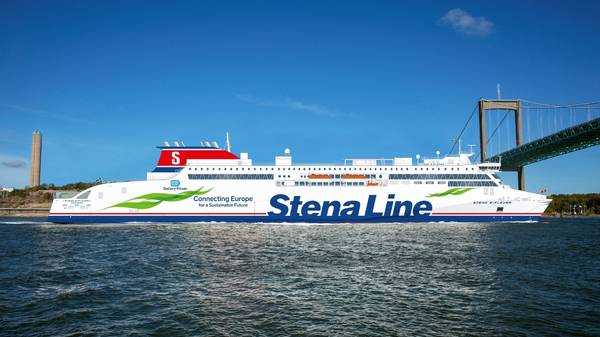
Stena RoRo orders battery-ready E-Flexer 2.0 ferries from Chinese yard
Vessels include diesel engines capable of running on biodiesel and are methanol-ready. |
|
|
|
||
| NYK receives delivery of LNG-fuelled vessel [News & Insights] |
| Contract to build LNG bunkering vessel [News & Insights] |
| Project to build Japan's first LNG-powered tug [News & Insights] |
| NYK achieves highest environmental rating [News & Insights] |
| NYK ships to be fitted with energy-saving technology [News & Insights] |
| NYK names dual-fuel LNG carrier for Cameron LNG project [News & Insights] |
| PaxOcean signs design contract with Ulstein for methanol-ready offshore wind vessel [News & Insights] |
| NYK shares two years of ammonia-fuelled tugboat data with IMO [News & Insights] |
| NYK shares two years of ammonia-fuelled tugboat data with IMO [News & Insights] |
| Japan completes world's first ship-to-ship ammonia bunkering to ammonia-fuelled vessel [News & Insights] |

