
|
Lloyd’s Register delivers fleet-wide energy transition roadmap for TMS Tankers
LR Advisory maps vessel-level compliance risk and decarbonisation pathways across the Greek owner’s tanker fleet. |
|
|
|
||
|
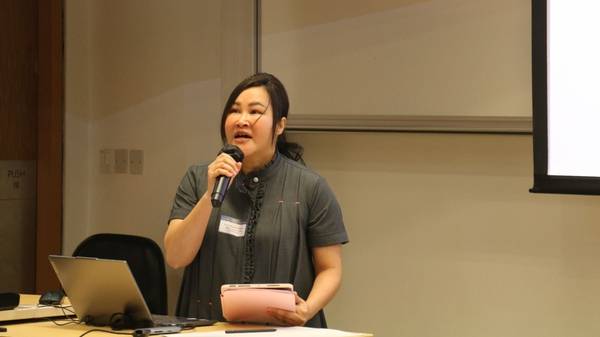
GCMD shares biofuel assurance and green finance insights at Hong Kong shipping decarbonisation forum
The Global Centre for Maritime Decarbonisation presented pilot findings on biofuels and energy efficiency financing. |
|
|
|
||
|
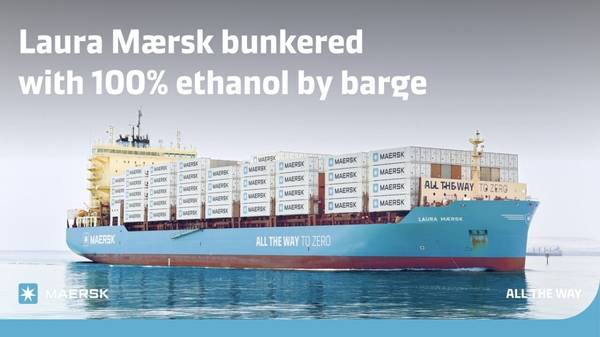
Maersk conducts large-scale ethanol bunkering trial on Laura Maersk in Rotterdam
A.P. Moller – Maersk has conducted a barge-delivered ethanol bunkering operation as part of ongoing fuel trials. |
|
|
|
||
|
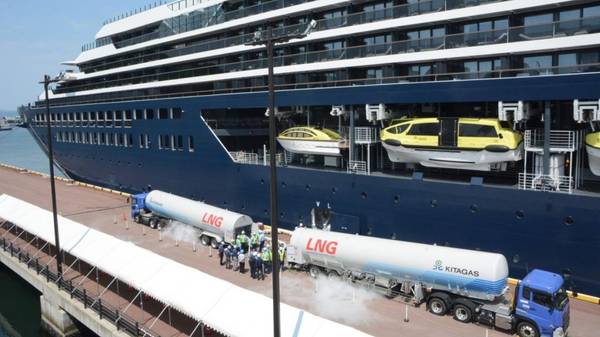
MOL Techno-Trade completes first LNG bunkering for international cruise ship in Hokkaido
Truck-to-ship LNG operation at Hakodate marks first such supply to an international cruise vessel in Hokkaido. |
|
|
|
||
|
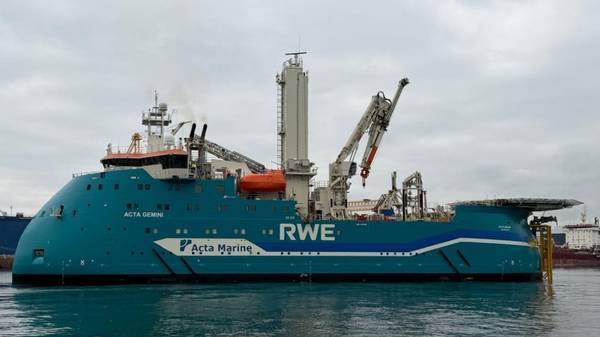
Acta Marine takes delivery of methanol dual-fuel CSOV Acta Gemini for RWE wind farm charter
The vessel will support operations at the Sofia Offshore Wind Farm at Dogger Bank. |
|
|
|
||

|
Malik Supply expands Danish team with bunker trader and finance hire
Danish bunker supplier Malik Supply adds two new staff across its Fredericia and Aalborg offices. |
|
|
|
||
|
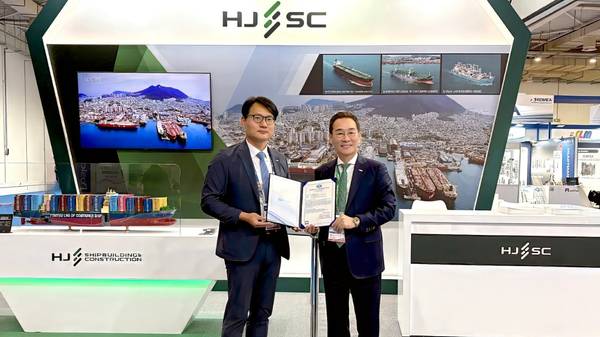
HJSC wins AiP for 10,000-teu biofuel-powered container ship design
South Korean shipbuilder HJ Shipbuilding & Construction receives classification society approval for its biofuel vessel design at Posidonia. |
|
|
|
||
|
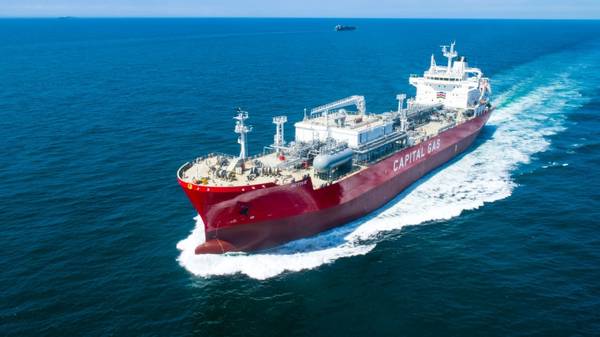
Capital Clean Energy Carriers takes delivery of LNG carrier and dual-fuel gas carrier, secures five new charters
Athens-based CCEC expands its fleet and pushes contracted revenue backlog to $3.1bn. |
|
|
|
||
|
Fuel quality management for vessels in extended idle: Arabian Gulf, Gulf of Oman and adjacent anchorages | Rahul Choudhuri, VPS
Managing fuel quality deterioration following the closure of the Strait of Hormuz. |
|
|
|
||

|
Agastya Green Fuels signs 250,000 t/yr e-methanol offtake deal with Sri Lanka’s SAR Group
Indian producer and Sri Lankan maritime firm agree long-term green methanol supply partnership. |
|
|
|
||
| Chemoil adds third barge in Fujairah [News & Insights] |
| FAL sells 500,000mt of fuel oil [News & Insights] |
| Committee to examine challenges ahead [News & Insights] |
| BP settles lawsuit with former staff [News & Insights] |
| Cruise ship turnaround status for Liverpool [News & Insights] |
| Global Vision Market Report [News & Insights] |
| Global Vision Market Report [News & Insights] |
| Market Briefing [News & Insights] |

