This is a legacy page. Please click here to view the latest version.
Wed 11 Jun 2008, 10:01 GMT

ARB proposes heavy fuel ban in California


Regulation would require ships to only use marine distillates in Californian waters.


The California Air Resources Board (ARB) has released a proposed regulation that would require ocean-going vessels within 24 nautical miles off California's coastline to use cleaner fuel in their main and auxiliary engines, and boilers.

The measure to be considered by the Air Resources Board at its July 26 and 27 meeting would annually affect about 2,000 ocean-going vessels visiting California. The vessels would be required to use lower-sulfur marine distillates rather than highly polluting heavy-fuel oil.

"The gains made by this regulation will save lives all along the coast and provide significant health benefits for those living near heavily used California seaports." explained ARB Deputy Director, Michael Scheible. "We're requiring very large reductions that will greatly lessen air pollution from ships."

The proposed regulation requiring ships to use more refined fuel with lower sulfur content would be implemented in two steps - first in 2009 and final in 2012 - and would be the most stringent and comprehensive requirement for marine fuel-use in the world. Both U.S.-flagged and foreign-flagged vessels would be to subject to the statewide regulation.

The draft regulation would reduce emissions of toxic particulate matter from the vessels' diesel engines by 15 tons per day, an 80 percent reduction of the uncontrolled emissions now. Emissions of oxides of sulfur and nitrogen, major contributors to California's air pollution problems, would also be reduced by 90 and six percent, respectively.

According to the ARB, the proposed regulation would have large health benefits for Californians. It claims an estimated 2,000 premature deaths between 2009 and 2015 would be avoided, and the cancer risk caused by emissions from these vessels would be reduced by over 80 percent. In addition, the emission reductions would aid the South Coast Air Quality Management District meet federal clean air requirements for fine particulate matter(PM) by 2014. The regulation is also needed for the ARB to achieve its targeted 85 percent reduction of diesel PM by 2020.

The ARB says diesel exhaust contains a variety of harmful gases and over 40 other known cancer-causing substances. It claims diesel PM emissions from ocean-going vessels currently expose over seven million people in California to high cancer risk levels.

To reach its goal of reducing diesel PM throughout California, over the past eight years the ARB has adopted regulations affecting cargo-handling equipment, transport refrigeration units, truck idling, off-road equipment, harbor craft, port drayage trucks, onboard incineration, and ships at-berth.

The ARB's cleaner fuel requirements for railroad and ship engines have lead to a reduction in pollution at rail yards and ports throughout the state of California.


TMS Tankers logo. Lloyd’s Register delivers fleet-wide energy transition roadmap for TMS Tankers  

LR Advisory maps vessel-level compliance risk and decarbonisation pathways across the Greek owner’s tanker fleet.

Dr Prapisala Thepsithar, GCMD. GCMD shares biofuel assurance and green finance insights at Hong Kong shipping decarbonisation forum  

The Global Centre for Maritime Decarbonisation presented pilot findings on biofuels and energy efficiency financing.

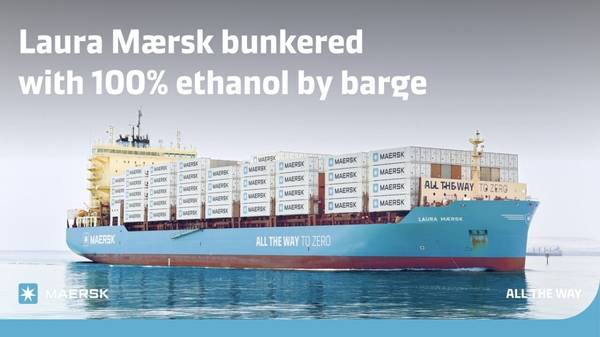
Laura Maersk ethanol bunkering graphic. Maersk conducts large-scale ethanol bunkering trial on Laura Maersk in Rotterdam  

A.P. Moller – Maersk has conducted a barge-delivered ethanol bunkering operation as part of ongoing fuel trials.

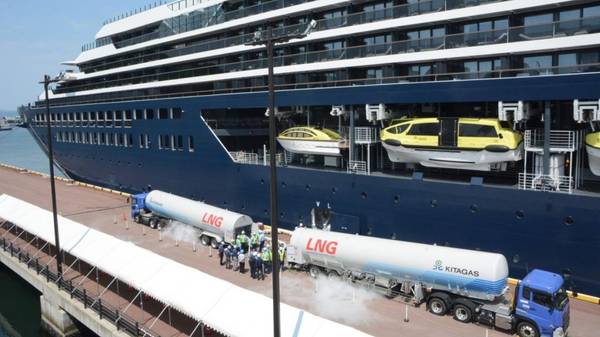
Luminara vessel truck-to-ship bunkering. MOL Techno-Trade completes first LNG bunkering for international cruise ship in Hokkaido  

Truck-to-ship LNG operation at Hakodate marks first such supply to an international cruise vessel in Hokkaido.

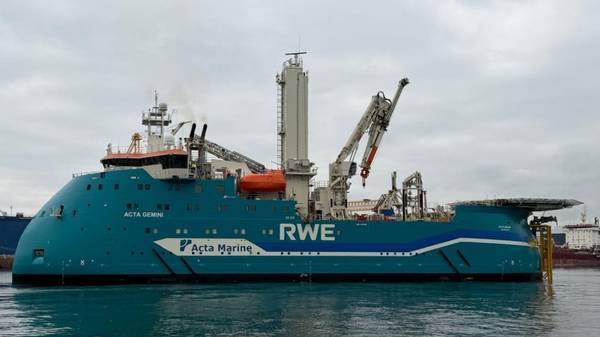
Acta Gemini vessel. Acta Marine takes delivery of methanol dual-fuel CSOV Acta Gemini for RWE wind farm charter  

The vessel will support operations at the Sofia Offshore Wind Farm at Dogger Bank.

Yeva Wood and Kirsten Møller Jørgensen. Malik Supply expands Danish team with bunker trader and finance hire  

Danish bunker supplier Malik Supply adds two new staff across its Fredericia and Aalborg offices.

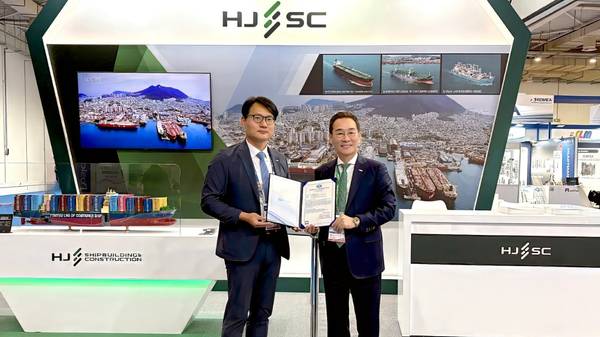
AiP award ceremony for a 10,000-teu biofuel-powered container ship. HJSC wins AiP for 10,000-teu biofuel-powered container ship design  

South Korean shipbuilder HJ Shipbuilding & Construction receives classification society approval for its biofuel vessel design at Posidonia.

Active vessel. Capital Clean Energy Carriers takes delivery of LNG carrier and dual-fuel gas carrier, secures five new charters  

Athens-based CCEC expands its fleet and pushes contracted revenue backlog to $3.1bn.

VPS logo. Fuel quality management for vessels in extended idle: Arabian Gulf, Gulf of Oman and adjacent anchorages | Rahul Choudhuri, VPS  

Managing fuel quality deterioration following the closure of the Strait of Hormuz.

Person signing a document. Agastya Green Fuels signs 250,000 t/yr e-methanol offtake deal with Sri Lanka’s SAR Group  

Indian producer and Sri Lankan maritime firm agree long-term green methanol supply partnership.


↑  Back to Top