Danish bunker firm,
Nordic Marine Oil A/S, has today confirmed that it is prepared to take over parts of OW Bunker's workforce and turnover.
The physical supplier - a wholly owned subsidiary of
Malik Supply A/S - claims that the image of the country's bunker industry has been tarnished by the bankruptcy of OW Bunker.
"Until a few days ago, few Danes were aware that Denmark is a world leader in the purchase and sale of bunker fuel. With OW Bunker in Aalborg and Bunker Holding in Middelfart, we had the world's biggest and third largest as well as a flourishing network of medium-sized bunker companies," explained
Steen Møller [pictured], Managing Director of Nordic Marine Oil and Malik Supply, in a statement.
"Now the industry has become very visible in record time, but unfortunately not for anything good. We are very annoyed when we are many [companies] operating a healthy and serious business each year."
Malik and Nordic Marine Oil have a combined annual turnover of close to $2 billion and the business employs 30 people, mainly at its headquarters in Aalborg.
Malik was launched in Aalborg in 1989. The company is mainly engaged in the bunkering of vessels in Greenland waters and the North Atlantic.
In 2011, Malik established the subsidiary Nordic Marine Oil A/S in connection with the acquisition of
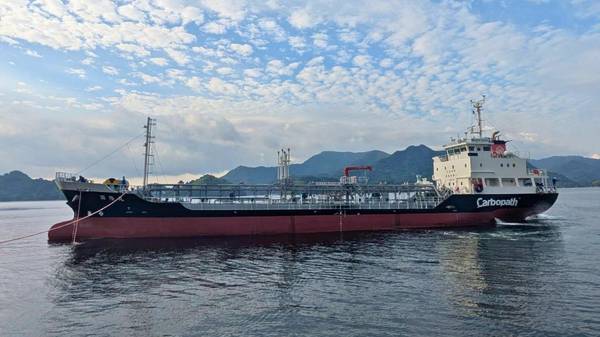
Statoil's bunkering activities in Denmark. The company specializes in the physical supply of bunker fuel and lubricants and currently operates storage tank facilities in Frederikshavn, Skagen, Hirtshals, Hanstholm, Thyborøn, Hvide Sande, Esbjerg and Gedser and a number of barge vessels that supply customers' ships with fuel.
A summary of Nordic Marine Oil's supply capabilities - taken from the company's website - has been provided below.
- Frederikshavn - barge; ex pipe.
- Skagen port - two barges; ex pipe.
- Skaw road - two barges.
- Hirtshals - barge; ex pipe; self-service facility.
- Hanstholm - ex pipe.
- Thyboroen - barge; ex pipe; self-service facility.
- Hvide Sande - barge; ex pipe; self-service facility.
- Esbjerg port - three barges; ex pipe.
- Esbjerg road - barge.
- Gedser - ex pipe; self-service facility.
"We have gone through our network of suppliers and customers and can conclude that we can continue our business as usual. At the same time, we can speak frankly in relation to hedging against oil price developments. It is an individual strategic decision from company to company, but it is quite clear that we are never going to move into that part of the bunker world," commented Møller.
The company's managing director said that he was optimistic about the future and believes "it is important to keep as much of OW Bunker's turnover in Denmark as possible".
"Denmark has a huge and good reputation in the international maritime world. We have suffered in terms of image loss in the bunker industry, but it is not impossible to maintain a large portion of the $100 billion turnover which is now in play in Danish hands. Both we and others are ready to take over parts of the workforce and turnover, and in our view it is urgent to re-establish confidence in the Danish industry," he concluded.